Upholstery Cleaning in Your Home: Fresh, Healthy, and Long-Lasting Furniture Care
Upholstery cleaning is one of the most overlooked parts of home care, yet it plays a major role in how clean, comfortable, and healthy your living space feels. Sofas, armchairs, ottomans, dining chairs, and even fabric headboards collect dust, spills, body oils, pet dander, and everyday grime faster than most people realize. When upholstery cleaning becomes part of your routine, your furniture looks better, smells fresher, and lasts longer. More importantly, a cleaner fabric surface can help support a healthier indoor environment for everyone in the home.
Many people think upholstery care is only needed when a stain appears, but regular upholstery cleaning helps prevent deep buildup before it starts. Fabrics act like filters, trapping particles from the air and from daily use. Over time, those particles can dull colors, weaken fibers, and create odors that are hard to remove. Whether your furniture is made of cotton, microfiber, linen, velvet, leather, or synthetic blends, the right upholstery cleaning approach can protect the investment you made in your home.
There are also practical reasons to prioritize upholstery cleaning. It can improve the appearance of your rooms, reduce allergens, and extend the life of expensive furnishings. If you have children, pets, or high-traffic areas, upholstery cleaning becomes even more important. The good news is that effective furniture care does not have to be complicated. With the right methods, products, and habits, you can keep upholstered surfaces looking their best for years.
Why Upholstery Cleaning Matters for Every Home

Furniture is used daily, which means it naturally absorbs dirt, dust, sweat, food particles, and airborne debris. Upholstery cleaning removes these contaminants before they settle deep into the fabric. Without regular cleaning, your couch or chair can become a hidden source of odors and buildup. Even if the surface appears clean, the fibers may still hold residue that affects the look and feel of the material.
Another reason upholstery cleaning matters is indoor air quality. Soft furnishings can trap allergens such as pollen, pet hair, and dust mites. When someone sits down or moves the cushions, those particles may be released back into the air. For households with allergy-sensitive individuals, routine upholstery cleaning can make a noticeable difference. It is a simple step that supports a fresher, more comfortable home environment.
There is also the matter of cost. Replacing furniture can be expensive, especially if the piece is custom-made or high quality. Upholstery cleaning helps maintain the structure and appearance of the item, delaying the need for replacement. In many cases, a well-cleaned sofa or chair can look almost renewed, making the entire room feel updated without major spending.
Understanding Different Upholstery Materials
Before starting any upholstery cleaning routine, it is important to understand the fabric type. Not all materials respond the same way to water, steam, or cleaning solutions. Some fabrics are durable and forgiving, while others require careful treatment to avoid shrinkage, discoloration, or texture damage. Reading the manufacturer’s tag is the best first step because it often indicates which cleaning method is safe.
Common upholstery materials include natural fibers like cotton and linen, synthetic fabrics like polyester and microfiber, delicate textiles like silk and velvet, and leather or faux leather surfaces. Each has different cleaning needs. For example, microfiber often responds well to gentle wet cleaning and brushing, while velvet may need extra caution to preserve its soft finish. Leather usually needs specialized products rather than standard fabric cleaners.
Knowing the material helps you choose the right upholstery cleaning technique and avoid expensive mistakes. If you are unsure about a fabric, test any product on a hidden area first. This small step can save you from a visible stain, faded patch, or roughened texture. Smart upholstery cleaning starts with material awareness, and that knowledge leads to better results every time.
Signs Your Upholstery Needs Cleaning
Some signs are obvious, while others are subtle. Visible stains are the easiest clue that upholstery cleaning is overdue, but discoloration, dullness, and lingering smells also signal buildup. If your couch looks darker in areas where people sit most often, that usually means oils and debris have settled into the fibers. The same is true if armrests or headrests feel sticky or look shiny from repeated use.
Odor is another major indicator. Upholstery can absorb cooking smells, smoke, pet odors, and moisture from the air. If a room smells stale even after tidying up, the upholstery may be part of the problem. Upholstery cleaning can help restore a fresher scent without relying on heavy perfumes or masking sprays. A properly cleaned surface should feel and smell noticeably better.
You should also pay attention to allergy symptoms and increased dust around furniture. If you notice sneezing, watery eyes, or frequent dust accumulation, it may be time for deeper cleaning. Regular upholstery cleaning is not just cosmetic; it can support a healthier and more comfortable home, especially when done consistently.
Popular Upholstery Cleaning Methods
Vacuuming and Dry Soil Removal
Vacuuming is the foundation of effective upholstery cleaning. Before applying any liquid solution, it is best to remove loose dirt, crumbs, pet hair, and dust from the surface and crevices. Use a brush attachment to protect the fabric while lifting debris from seams and corners. This simple step prevents dry particles from turning into muddy residue when moisture is added.
Dry soil removal should be done regularly, even between deeper upholstery cleaning sessions. Weekly vacuuming can help reduce buildup and keep the fabric looking fresh. If your furniture has removable cushions, vacuum both sides and the underside. Paying attention to hidden areas is essential because dirt often collects where it is least visible.
For homes with pets or children, vacuuming can make a dramatic difference. It reduces hair and crumbs before they settle into the weave. When combined with a good upholstery cleaning schedule, vacuuming helps preserve the texture and color of your furniture. This is one of the easiest ways to extend the life of upholstered items.
Spot Cleaning for Spills and Stains
Spot cleaning is useful when accidents happen. The key is to act quickly and avoid rubbing aggressively, which can spread the stain or damage the fibers. Blot the area gently with a clean cloth to absorb as much of the spill as possible. Then use a suitable upholstery cleaning solution based on the fabric type and stain source.
Different stains require different approaches. Water-based spills, such as juice or coffee, may respond well to mild cleaning solutions. Oil-based marks may need a fabric-safe degreasing product. Always use a minimal amount of liquid to avoid soaking the padding beneath the fabric. Excess moisture can create longer drying times and, in some cases, water rings.
Spot cleaning is effective, but it works best as part of a larger upholstery cleaning routine. When one area is cleaned while the rest of the furniture remains dirty, the difference can be noticeable. A balanced approach helps keep the whole piece looking even and well maintained.
Deep Upholstery Cleaning Techniques
Deep upholstery cleaning goes beyond surface care and reaches embedded dirt that regular vacuuming cannot remove. Depending on the fabric and condition, this may involve steam cleaning, low-moisture extraction, foam cleaning, or specialized dry-cleaning methods. The right choice depends on the material, level of soiling, and whether the furniture can handle moisture.
Steam cleaning is popular for many synthetic fabrics because it can loosen grime and help sanitize the surface. However, it is not suitable for every material, especially delicate fabrics that are sensitive to heat or water. Low-moisture extraction can be a safer choice for certain pieces because it reduces drying time and lowers the risk of saturation. A professional upholstery cleaning service often evaluates the fabric before selecting the method.
Dry cleaning methods may be used for sensitive upholstery where water-based cleaning is risky. These methods often involve specially formulated powders, foams, or solvents that lift dirt without excessive wetting. Choosing the right deep upholstery cleaning method is essential for protecting the fabric while achieving a thorough result.
When Deep Cleaning Is the Best Option
Deep upholstery cleaning is especially helpful when furniture has not been cleaned for a long time, when odors are persistent, or when spills have penetrated below the surface. It is also a good choice after illness, after moving into a new home, or before hosting guests. Deep cleaning can refresh the entire room and restore the fabric’s original appearance.
If your furniture sees heavy use, consider scheduling deep upholstery cleaning seasonally or at least a few times per year. High-traffic homes may benefit from more frequent attention. The goal is not to overclean but to maintain a healthy balance between appearance, hygiene, and fabric protection.
Book your service now if your furniture needs more than a surface refresh. A deeper treatment can make a big difference in cleanliness and comfort.
DIY Upholstery Cleaning Tips for Homeowners
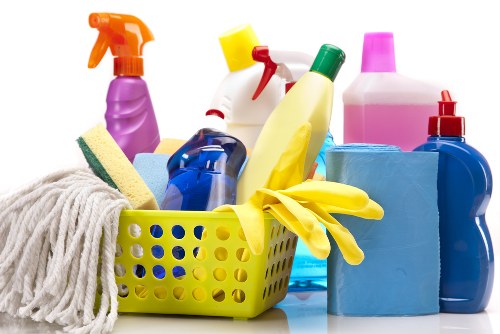
Many upholstery cleaning tasks can be handled at home with care and the right materials. Start by checking the care label and gathering supplies such as a vacuum, microfiber cloths, a soft brush, mild soap, and a bowl of clean water. If the tag says water-safe, you may be able to clean small sections yourself. If it says dry clean only or professional cleaning only, avoid experimenting with moisture.
A simple DIY approach begins with thorough vacuuming, followed by testing a small, hidden area with your chosen cleaner. Apply the cleaning solution sparingly and blot, never scrub. Let the area dry naturally with good airflow. Fans can help speed up drying, but avoid high heat unless the fabric manufacturer approves it.
DIY upholstery cleaning works well for routine upkeep, light stains, and quick refreshes. It is also budget-friendly. Still, it is important to know your limits. If the stain is large, the odor is strong, or the fabric is delicate, professional upholstery cleaning may be the safer and more effective option. Knowing when to stop is part of good furniture care.
Benefits of Professional Upholstery Cleaning
Professional upholstery cleaning offers a deeper level of care than most household methods. Trained technicians understand fabric types, stain behavior, and moisture control. They use specialized equipment and products designed to clean thoroughly while minimizing risk. For valuable furniture or heavily soiled pieces, this can be the best route to a strong and lasting result.
One major advantage of professional upholstery cleaning is efficiency. Powerful extraction tools can remove embedded dirt and residue more effectively than basic home tools. Professionals also know how to treat tough stains, lingering odors, and problem areas without overwetting the fabric. This can be especially valuable for homes with pets, children, or frequent entertaining.
Professional upholstery cleaning can also help preserve warranty requirements for certain furniture items. Some manufacturers recommend specific cleaning procedures, and using the wrong products at home may void coverage. If you want peace of mind, a professional service can provide tailored care based on the fabric and condition of the piece. It is a practical investment in furniture longevity.
How Often Should Upholstery Be Cleaned?
General Cleaning Schedule
The ideal upholstery cleaning schedule depends on use, household size, and the fabric itself. In many homes, light maintenance such as vacuuming should happen weekly, while deeper upholstery cleaning may be done every six to twelve months. This helps prevent buildup from becoming difficult to remove. Furniture in guest rooms may need less frequent attention than pieces in busy family rooms.
Households with pets, young children, or allergy concerns may need more frequent upholstery cleaning. Stains, hair, and dander accumulate faster in active homes. Likewise, upholstered items in homes where smoking, cooking odors, or heavy foot traffic are present may benefit from a tighter schedule. The more the piece is used, the more often it should be cleaned.
Seasonal cleaning is a practical rhythm for many people. Spring and fall are common times to refresh upholstery along with other household chores. This can be a good opportunity to rotate cushions, inspect seams, and address minor wear before it becomes a bigger issue. A consistent routine keeps the furniture in better condition and reduces surprise problems.
Situations That Call for Immediate Cleaning
Some situations should not wait for your regular schedule. Fresh spills, pet accidents, food stains, and any sign of mold or mildew need prompt attention. The faster you respond, the easier it is to remove the problem. Delays allow substances to settle deeper into the upholstery and padding, making cleanup more difficult.
Smoke exposure, water damage, and illness-related contamination also call for immediate upholstery cleaning. In these cases, time matters because odor and bacteria can spread. If the item has a strong smell after a spill or incident, professional assessment may be the safest choice. Acting early often saves both time and money.
Do not wait until the damage is obvious. Early action can help you preserve your furniture and avoid costly repairs or replacement.
Common Upholstery Cleaning Mistakes to Avoid
One of the biggest mistakes is using too much water. Excess moisture can soak into cushions, create drying issues, and leave marks. Another common problem is applying a cleaning product without testing it first. Even mild products can react badly with certain dyes or materials. A small test area is always worth the time.
Scrubbing aggressively is another mistake that can damage upholstery. Hard rubbing may spread stains, fray fibers, or flatten the fabric texture. Instead, blot gently and work slowly. Overloading furniture with cleaning solutions is also risky because residue can attract dirt after drying. In upholstery cleaning, less is often more when the method is correct.
It is also important not to ignore the care label. Some people use one method for every piece of furniture, but that approach can cause damage. Different fabrics require different strategies. Careful upholstery cleaning is about matching the method to the material, not forcing one technique to fit all situations.
Maintaining Upholstery Between Cleanings
Good maintenance makes upholstery cleaning easier and more effective. Start by vacuuming regularly and addressing spills immediately. Use throws or slipcovers in high-traffic areas if needed, especially on furniture that gets daily use. These protective layers can reduce the amount of dirt that reaches the fabric underneath.
Another helpful habit is rotating cushions. This helps even out wear and prevents one side from looking older than the rest. Keep furniture out of direct sunlight when possible because prolonged exposure can fade fabric colors. If sunlight is unavoidable, consider window treatments to reduce damage over time.
Fresh air also helps. Open windows when weather allows, and keep humidity under control to reduce musty smells. These small steps support upholstery cleaning efforts by slowing the buildup of odor and moisture-related issues. With consistent care, your furniture will stay cleaner between deep treatments.
Upholstery Cleaning and Home Health
Clean upholstery contributes to a healthier living space by reducing the buildup of dust, allergens, and bacteria. While no single cleaning task solves every indoor air concern, upholstery cleaning plays an important role in overall home hygiene. Soft furnishings often hold onto particles that hard surfaces miss, so regular care helps create a more balanced cleaning routine.
For homes with allergy sufferers, upholstery cleaning can be especially valuable. Dust mites and pet dander tend to settle into fabric fibers, and routine removal can reduce exposure. Families with babies or young children may also appreciate cleaner seating surfaces because little ones spend a lot of time close to couches, rugs, and chairs. Keeping fabrics clean supports everyday comfort.
When combined with vacuuming, dusting, and proper ventilation, upholstery cleaning becomes part of a healthier home strategy. It is not just about appearances. It is about making your living space feel fresher, cleaner, and more inviting. A cleaner home often starts with cleaner furniture.
Choosing the Right Upholstery Cleaning Service
If you decide to hire help, choose a service that understands fabric care and uses suitable cleaning methods. Ask whether they inspect the material first, what products they use, and how they handle stains or odor removal. A reliable upholstery cleaning provider should be able to explain the process clearly and tailor it to your furniture type.
Experience matters because different fabrics need different treatment. A knowledgeable technician can identify risks such as dye transfer, heat sensitivity, and moisture damage. They should also be able to provide realistic expectations about drying time and results. Transparent communication helps you feel more confident in the service.
Look for signs of professionalism such as proper equipment, careful handling, and a methodical approach. While price matters, value should be considered too. Quality upholstery cleaning can save you money over time by extending furniture life and reducing the need for replacements. If your furniture is important to you, it deserves thoughtful care. Contact us today to take the next step toward fresher, cleaner upholstery.
Final Thoughts on Upholstery Cleaning
Upholstery cleaning is one of the smartest ways to maintain a healthy, attractive home. It improves appearance, reduces odor, supports indoor air quality, and helps your furniture last longer. Whether you handle light maintenance yourself or rely on professional help for deeper care, consistency is the key. Clean upholstery makes everyday living more comfortable and keeps your rooms looking polished.
From routine vacuuming to stain treatment and deep extraction, every level of upholstery cleaning contributes to the bigger picture. The more you care for your furniture, the more value you get from it. Over time, these habits can save money, reduce stress, and protect the items that make your home feel complete.
If your sofa, chairs, or other upholstered pieces are due for attention, now is the perfect time to act. Book your service now and give your furniture the fresh start it deserves. A cleaner home is only a few steps away, and upholstery cleaning is a great place to begin.