Stain Removal in Everyday Spaces: Practical Methods for Cleaner, Fresher Surfaces
Stain removal is one of those household and maintenance topics that never goes out of style because spills, marks, and discoloration happen everywhere. Whether it is a coffee splash on fabric, grease on a countertop, wine on upholstery, mud on flooring, or water spots on tile, effective stain removal can make a dramatic difference in how a space looks and feels. Many people search for stain removal solutions when they want fast results, safer cleaning habits, and better long-term care for their surfaces.
What makes stain removal especially important is that not all stains behave the same way. Some sink into fibers quickly, some bond to porous materials, and others set only after heat or time. Knowing the right approach to stain removal helps prevent damage, saves time, and improves the odds of restoring surfaces to a cleaner condition. In homes, offices, rental properties, and commercial spaces, stain removal is often the difference between a surface that looks tired and one that looks well maintained.
In this article, we will explore stain removal methods for different materials, explain why stains happen, and show how to handle them with confidence. You will also learn what to avoid, how to act quickly, and how to support stain removal with everyday maintenance. If you want cleaner carpets, brighter upholstery, or fresher hard surfaces, the strategies below can help.
Why Stain Removal Matters for Homes and Businesses
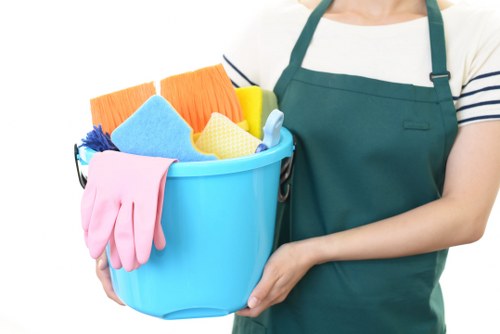
Stain removal is not just about appearance. It also supports hygiene, surface longevity, and overall property value. A visible stain can make a room feel neglected even if the rest of the area is clean. In businesses, that effect can influence customer confidence. In homes, it can affect comfort and pride in the space. Regular stain removal helps keep materials from looking worn out too soon.
Another reason stain removal matters is that stains can become harder to remove over time. A fresh spill on fabric may respond well to gentle blotting and mild cleaning, while an older stain may need repeated treatment. The sooner you start stain removal, the better your chances of limiting permanent discoloration and reducing the need for aggressive methods.
Stain removal also protects surfaces from secondary problems. For example, food and beverage spills can attract bacteria or odors, while damp stains may contribute to mildew if left untreated. A strong stain removal routine can improve cleanliness while helping to preserve the material underneath.
Understanding Different Types of Stains
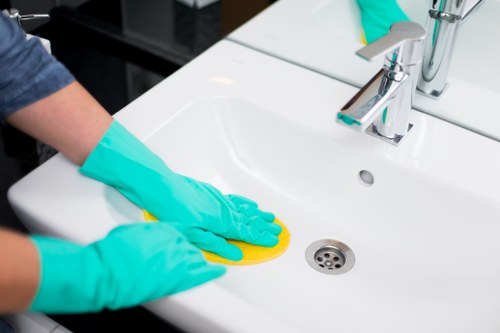
Not every stain removal method works for every spill. The first step is identifying the stain type. Water-based stains, oil-based stains, protein-based stains, tannin stains, dye stains, and mineral deposits all behave differently. Understanding the stain source makes stain removal more efficient and reduces trial-and-error.
Water-based stains are common and often include juice, soda, coffee, tea, and mud. These may lift well with mild cleaning solutions, especially when treated early. Oil-based stains, such as grease, lotion, and cooking oil, typically require a degreasing or absorbent approach. Protein-based stains, including blood or dairy, need careful handling because heat can set them into fibers.
Tannin stains often come from plant-based beverages or foods, while dye stains may come from colored drinks, markers, or transfer from clothing. Mineral stains, such as hard-water marks, are different again and may need acidic cleaning support. Accurate stain removal starts with recognizing which category the mark belongs to.
Stain Removal Basics You Should Always Follow
Act Fast, Blot First, and Test Safely

The most effective stain removal usually starts with speed. Fresh spills are easier to control than dried ones. As soon as a spill occurs, blot the area with a clean cloth or paper towel. Do not rub aggressively, because rubbing can push the stain deeper into fibers or spread it across a larger area.
Before using any cleaning solution, test it on a hidden spot. This is especially important for delicate fabric, colored upholstery, natural stone, or specialty flooring. Safe stain removal depends on knowing how the surface reacts. A product that works on one material may damage another.
It also helps to work from the outside of the stain inward. This prevents spreading and keeps the stain removal area contained. Use minimal liquid at first, then repeat if needed. A controlled approach often produces better results than a heavy-handed one.
Tip: Always read care labels, manufacturer instructions, or surface recommendations before starting stain removal.
Stain Removal on Fabric and Clothing
Common Household Methods That Work

Fabric is one of the most common places where stain removal is needed. Shirts, table linens, curtains, and washable textiles all face daily exposure to food, sweat, makeup, and drink spills. The best stain removal approach on clothing usually begins with blotting and a cold-water rinse, especially for fresh water-based or protein-based stains.
For general fabric stain removal, mild liquid detergent is often a reliable first step. Apply a small amount to the stained area, gently work it in with your fingers or a soft brush, and let it sit briefly before washing. For greasy spots, a stain-fighting detergent or absorbent powder may help lift residue before laundering.
Some stains require extra patience. Coffee, tea, wine, and ink may need repeated stain removal sessions. Avoid placing stained fabric in a dryer until you are certain the mark is gone, because heat can set the stain permanently. Air-drying between treatments is safer and gives you a chance to inspect the result.
Helpful Fabric Stain Removal Steps
- Blot excess liquid immediately.
- Rinse with cold water when appropriate.
- Apply mild detergent or a fabric-safe stain remover.
- Gently agitate without scrubbing hard.
- Wash according to care instructions.
- Check the result before heat drying.
Stain Removal for Carpets and Rugs
Protecting Fibers While Lifting Marks
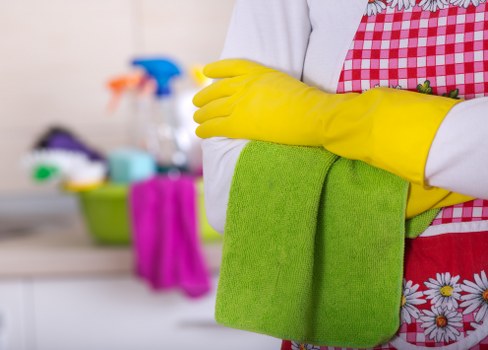
Carpet stain removal requires caution because fibers can trap both moisture and residue. Whether the stain comes from food, pet accidents, mud, or beverages, quick action is essential. Start by scooping up solids carefully, then blot liquids using a white cloth to avoid dye transfer. The goal is to remove as much material as possible before applying a cleaning solution.
For many carpet stain removal situations, a mix of water and mild detergent can be effective. Apply a small amount, blot, and repeat as necessary. For odors or lingering organic residue, a carpet-safe enzymatic product may support deeper stain removal. Always avoid soaking the area, since too much moisture can lead to damage or mold concerns.
Rugs may require extra care depending on their material. Wool, silk, and natural fiber rugs often need gentler methods than synthetic carpets. If the rug is valuable or delicate, professional stain removal may be the best option. When in doubt, treat the stain as lightly as possible and avoid aggressive scrubbing.
Important: If a stain keeps spreading, stop and reassess. Over-wetting can create a larger problem than the original mark.
Stain Removal for Upholstery
Furniture Fabrics Need a Delicate Touch
Upholstery stain removal can be tricky because furniture fabrics vary widely in texture, weave, and cleaning tolerance. A sofa cushion may respond well to a foam cleaner, while a delicate chair fabric may need only blotting and minimal moisture. The first rule of upholstery stain removal is to identify the fabric care code if one is available.
Water-safe upholstery can often be treated with a mild cleaning solution, but always use a small amount and blot carefully. For grease or oil, an absorbent product may help before any liquid treatment. If the stain is on a cushion, remove the cover if allowed and clean according to instructions. This improves access and supports more even stain removal.
Upholstery stain removal often benefits from patience. Multiple light treatments are usually better than one heavy attempt. After cleaning, allow the fabric to dry fully with good airflow. Damp upholstery can develop odor or create a new mark if not dried correctly.
Upholstery Stain Removal Tips
- Check manufacturer care codes first.
- Blot rather than rub.
- Use minimal moisture.
- Work in stages for tough spots.
- Dry thoroughly after treatment.
Stain Removal on Hard Surfaces
Countertops, Tile, Glass, and Metal
Hard-surface stain removal is often simpler than fabric stain removal, but the material still matters. Laminate, sealed stone, ceramic tile, glass, stainless steel, and painted surfaces each have their own needs. A method that removes a stain on tile may dull a softer surface, so it is important to match the cleaner to the material.
For everyday hard-surface stain removal, a soft cloth and mild soap solution may be enough. On glass and metal, streak-free cleaners can help lift fingerprints, water spots, and residue. On sealed countertops or tile grout, slightly more targeted cleaning may be required. Always avoid abrasive pads unless the surface can safely handle them.
Natural stone surfaces such as marble, granite, and limestone deserve special attention. Acidic cleaners can etch the surface, so stain removal should rely on stone-safe products only. If a stain has penetrated porous stone, a poultice or professional treatment may be necessary. The right stain removal method protects both appearance and structure.
Common Stains and How to Approach Them
Food, Drink, Grease, Ink, and Organic Spots
Some stains appear so often that it helps to have a simple response plan. Food stains should usually be blotted, lifted, and rinsed before they dry. Drink stains, especially coffee and wine, often need prompt dilution and a fabric-safe cleaner. Grease stains respond best when excess oil is absorbed first, followed by a degreasing solution.
Ink stains can be challenging because they are highly pigmented. Stain removal for ink should be handled carefully to avoid spreading the color. Place a clean cloth under the fabric if possible and dab from the back side when appropriate. Organic stains, including blood, sweat, and food proteins, need cool water and gentle treatment rather than heat.
For mud, allow the soil to dry before brushing away the loose debris. Then proceed with stain removal using water and mild detergent. This is often more effective than trying to wash wet mud deeper into the material. With the right method, many everyday stains can be significantly reduced or removed entirely.
Fast Response Checklist for Common Stains
- Identify the stain type.
- Remove solids or excess liquid.
- Blot gently with a clean cloth.
- Use the safest compatible cleaner.
- Repeat as needed without over-wetting.
- Dry completely and inspect.
What Not to Do During Stain Removal
Avoiding Mistakes That Make Stains Worse
Even experienced cleaners make mistakes during stain removal. One of the biggest is using too much product too quickly. Strong cleaners may seem like the fastest solution, but they can damage fibers, strip finishes, or leave residue behind. A gentler approach is often safer and more successful.
Another common mistake is using heat too early. Hot water or a dryer can set certain stains, especially protein-based marks and some dyes. If you are unsure, begin with cool or lukewarm water. Heat should be introduced only when you know it will not lock the stain in place.
Avoid mixing cleaning chemicals unless the instructions explicitly say it is safe. Some combinations create harmful fumes or reduce cleaning effectiveness. In stain removal, safer usually means better. When in doubt, choose one compatible product, test it, and proceed slowly.
Eco-Friendly Stain Removal Options
Simple Ingredients, Smart Use
Many people prefer stain removal methods that are gentler on fabrics, surfaces, and the environment. Eco-friendly stain removal often uses ingredients like mild detergent, baking soda, white vinegar, or oxygen-based cleaners, depending on the surface and stain type. These options can be effective when used correctly and sparingly.
Baking soda is useful for absorbing odors and helping lift light residue. Vinegar can help with some mineral deposits and light discoloration, though it should not be used on surfaces that react badly to acidity. Oxygen-based stain removers can support fabric stain removal and are often favored for their versatility. Still, every material should be tested first.
Eco-friendly stain removal is not just about ingredients. It is also about reducing waste by treating stains early, using reusable cloths, and avoiding unnecessary product overuse. A cleaner approach often means a smaller environmental footprint and better control over results.
When Professional Stain Removal Is the Better Choice
Knowing the Limits of DIY Cleaning
Some stains are too large, too old, or too deeply embedded for simple home methods. In those cases, professional stain removal can save time, reduce risk, and improve the outcome. This is especially true for valuable rugs, antique furniture, specialty textiles, natural stone, and severe carpet contamination.
Professional stain removal services often have access to advanced equipment, material-specific products, and techniques that are not practical for everyday use. They may also understand how to handle difficult issues such as red wine on a wool rug, ink on upholstery, or set-in discoloration on delicate surfaces. If a stain survives multiple careful attempts, professional help is worth considering.
Another situation where professional stain removal makes sense is when a surface is at risk of damage from repeated DIY efforts. If you are seeing fading, texture changes, bleeding colors, or residue buildup, stop and seek expert support. Book your service now if the stain is too important to leave to guesswork.
Building a Stain Removal Routine That Lasts
Prevention and Maintenance Work Together
The best stain removal strategy is one that combines response and prevention. Keep basic supplies on hand, such as clean white cloths, a mild detergent, and surface-safe cleaners. That way, when a spill happens, you can respond quickly instead of waiting until the stain sets.
Prevention also reduces how often stain removal is needed. Use coasters, mats, runners, and protective covers in high-risk areas. Wipe spills promptly, rotate cushions, vacuum regularly, and maintain flooring according to manufacturer recommendations. These habits lower the chance of stubborn discoloration and make future stain removal easier.
For homes with children, pets, or high foot traffic, a practical stain removal plan can be especially valuable. Simple routines, like checking upholstery after meals or treating entryway dirt before it spreads, can make a noticeable difference. The more consistent you are, the easier it becomes to keep surfaces looking their best.
Stain Prevention Habits Worth Keeping
- Use protective mats in kitchens and entryways.
- Blot spills immediately.
- Vacuum and dust frequently.
- Wash fabrics before stains become permanent.
- Schedule deeper cleaning as needed.
Final Thoughts on Stain Removal
Cleaner Surfaces Start with the Right Approach
Stain removal does not need to feel overwhelming. Once you understand the stain type, the surface material, and the importance of gentle, timely action, you can handle many common spills with confidence. The key is to avoid rushing, use compatible products, and treat the stain before it becomes deeply set.
Whether you are working on clothing, carpets, upholstery, countertops, or tile, the same principles apply: blot first, test carefully, and choose the least aggressive method that can do the job. Thoughtful stain removal protects your surfaces while helping your space look cleaner, brighter, and better cared for.
If stains are becoming a recurring issue in your home or workplace, now is a good time to take action. Contact us today to learn more about effective stain removal solutions, or Book your service now for support with stubborn marks and hard-to-clean surfaces. A cleaner result is often closer than you think.