Pet Stain Odour Removal in Your Home: Practical Solutions for a Fresher, Cleaner Space
Why Pet Stain Odour Removal Matters
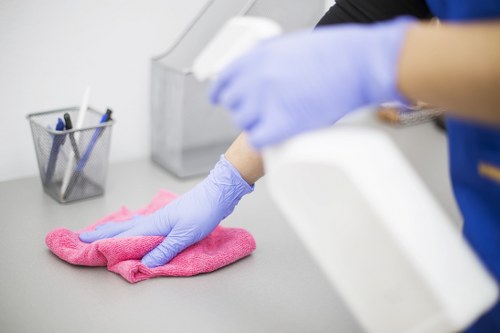
Living with pets brings joy, companionship, and plenty of memorable moments. It also brings a less pleasant reality: accidents happen. Whether you are dealing with a fresh puddle on the carpet, an old stain hidden beneath furniture, or lingering smells that seem impossible to remove, pet stain odour removal is an essential part of keeping your home comfortable and hygienic.
The challenge is not just the visible stain. Odours can penetrate deep into carpet fibres, upholstery, padding, and even subfloors. If they are not treated properly, they can return on humid days, after cleaning, or whenever a pet revisits the same spot. That is why effective pet stain odour removal is about more than masking smells. It is about breaking down the source and preventing repeat issues.
For many households, the goal is simple: create a home that feels fresh without sacrificing the comfort pets bring. With the right approach, you can restore carpets, rugs, and furniture while reducing stress for both pets and people. Pet stain odour removal is achievable with the right products, techniques, and habits.
Understanding What Causes Pet Odours
To remove pet odours effectively, it helps to understand what causes them. Pet urine contains uric acid, ammonia, bacteria, and other compounds that can cling to soft surfaces. When moisture evaporates, crystals may remain behind and continue producing odour long after the initial accident. This is why simple surface cleaning often fails.
Pet faeces, vomit, and saliva can also leave persistent smells, especially if they soak into porous materials. In some cases, the stain may be light or nearly invisible, but the smell remains strong. This can happen on carpet, mattress fabric, couches, and curtains. Pet stain odour removal becomes more complex when the contamination has spread below the surface.
Heat, humidity, and poor ventilation can intensify the problem. If a room stays warm or closed up, pet odours may become more noticeable. Understanding these factors helps you respond faster and choose a cleaning method that truly addresses the cause rather than temporarily covering it up.
First Steps After an Accident
Act Fast for Better Results
Speed matters. The sooner you begin pet stain odour removal, the easier it is to stop stains from setting. Start by blotting, not rubbing, the area with clean paper towels or a cloth. Blotting removes excess liquid without pushing it deeper into the fibres.
If the accident is on carpet or upholstery, remove any solid material first and dispose of it safely. Then gently dab the area to absorb moisture. Avoid scrubbing aggressively, as this may spread the stain or damage the fabric. The goal is to lift as much residue as possible before applying any cleaning solution.
Once the surface is prepared, use a cleaner designed for pet messes. Ordinary household cleaners may perfume the area briefly, but they often do not neutralize the odor-causing compounds. A targeted approach saves time and improves the final result.
Quick Response Checklist
- Blot the stain immediately
- Remove solid waste carefully
- Avoid rubbing or over-wetting
- Use a pet-safe cleaner
- Dry the area thoroughly
Best Methods for Pet Stain Odour Removal
There is no single solution for every situation, but a few methods consistently work well when used correctly. The best approach depends on the surface, the age of the stain, and the intensity of the smell. For fresh accidents, absorbent materials and enzymatic cleaners are often the most effective. For older stains, deeper treatment may be needed.
Enzymatic cleaners are widely recommended for pet stain odour removal because they break down the organic compounds that cause smell. These cleaners work by using natural enzymes and beneficial bacteria to digest urine, faeces, and vomit residues. Instead of masking odours, they help eliminate them at the source.
Another useful method is a vinegar-and-water solution for light surface cleaning. Vinegar can help neutralize some odours and disinfect lightly soiled areas, but it is not always enough for heavy contamination. For best results, it should be followed by a proper pet-specific odour treatment.
Common Cleaning Options
- Enzymatic cleaner for organic stains and urine odour
- Vinegar solution for light neutralization
- Baking soda for absorbing lingering smell
- Steam extraction for deeper carpet treatment, when appropriate
- Professional cleaning for severe or recurring odours
How to Remove Pet Urine Smell from Carpet
Carpet is one of the most common problem areas because it absorbs liquid quickly. If urine reaches the carpet padding, pet stain odour removal becomes more difficult. Begin by soaking up as much moisture as possible. Then apply an enzymatic cleaner generously enough to reach the same depth as the accident.
Let the cleaner sit for the recommended time. This is important because enzymes need time to work. Many people spray and wipe too quickly, which limits effectiveness. After treatment, blot the area again and allow it to air dry fully. If possible, place a fan nearby to speed up drying and improve airflow.
For especially stubborn smells, repeat the process or use a wet-dry vacuum after the cleaner has had time to dwell. You can also sprinkle baking soda over the area once it is mostly dry to help absorb any remaining odour. Vacuum thoroughly later. Pet stain odour removal on carpet often requires patience, especially for older stains.
Extra Carpet Care Tips
- Test cleaning products in a hidden area first
- Do not use ammonia-based cleaners on urine stains
- Check under rugs and carpet edges
- Clean surrounding areas, not just the visible spot
- Repeat treatment for deep-set odours
Dealing with Pet Odour on Upholstery and Furniture

Soft furniture can trap smells in cushions, seams, and fabric layers. When handling couches, chairs, or mattresses, it is important to use a cleaner that is safe for the material. Always check the care label first. Some fabrics can tolerate water-based treatments, while others require minimal moisture or specialist products.
Use a clean cloth to blot the area. Then apply a suitable enzymatic solution lightly but thoroughly. Avoid soaking the cushion unless the product instructions clearly allow it. Too much liquid can spread contamination inside the furniture, making pet stain odour removal harder later on.
After treatment, dry the piece as much as possible. Open windows, turn on fans, and if practical, remove cushions to help air circulate. If odours persist in removable covers, laundering them according to the label may help. For fixed upholstery, repeat treatment and consider professional cleaning if the smell remains after multiple attempts.
Helpful Furniture Rules
- Check fabric instructions before cleaning
- Use minimal moisture on sensitive materials
- Dry cushions completely
- Clean hidden seams and folds
- Address the padding if odour continues
Hard Floors, Rugs, and Other Surfaces
Not all surfaces absorb odours in the same way. Hardwood, tile, laminate, and vinyl usually do not trap smells as deeply as carpet, but urine can seep into cracks, grout lines, and seams. Wipe hard floors quickly with a pet-safe cleaner and dry them thoroughly. If the accident got under a baseboard or into a joint, additional treatment may be needed.
Rugs can behave like carpets, especially if they have thick fibres or underlay. Lift the rug and inspect both sides, along with the floor beneath. Odours often linger in the backing or rug pad. For successful pet stain odour removal, treat both the visible stain and the area below it when necessary.
For mattresses, use a small amount of enzymatic cleaner and dry carefully. Mattresses can be tricky because excess moisture may lead to mildew. A fan, open window, and patience are essential. If the odour is severe or longstanding, professional deep cleaning may be the safest option.
Surface-Specific Tips
- Hardwood: wipe quickly to prevent warping
- Tile: clean grout lines and corners
- Rugs: inspect both sides and the backing
- Mattresses: use minimal liquid and dry fully
- Laminate: avoid excessive water
When DIY Pet Stain Odour Removal Is Not Enough
Sometimes home cleaning methods are not enough. If the stain is old, large, or has soaked through multiple layers, odour can remain trapped even after repeated treatment. You may notice the smell returns when the room is warm, when humidity rises, or when the pet becomes interested in the same spot again. In these situations, deeper intervention is often needed.
Professional pet stain odour removal services use advanced equipment and specialized treatments to target contamination below the surface. This may include hot water extraction, deep enzymatic treatment, blacklight inspection to locate hidden spots, and deodorizing methods that address the source rather than the symptom. Professionals can also identify areas that homeowners might miss, such as subfloor damage or multiple stain layers.
If a pet keeps marking the same location, the issue may be behavioural, medical, or both. In that case, cleaning alone may not solve the problem. Working on the odour source is important because pets are often drawn back to locations that still smell like a previous accident. Effective pet stain odour removal helps reduce repeat marking and supports better household hygiene.
Preventing Future Pet Odours
Once you have cleaned the problem, prevention becomes the next priority. Frequent accidents can often be reduced through training, routine, and home management. Keep a consistent schedule for bathroom breaks, especially for puppies, senior pets, or animals recovering from illness. Clean litter boxes regularly and place them in quiet, accessible areas.
Use protective covers on sofas, cushions, and mattresses if needed. Washable throws and waterproof pads can make a big difference in high-risk areas. If a pet has a tendency to revisit the same spot, block access until the odour is fully gone. Remember that pet stain odour removal is not complete until the area is both clean and no longer attractive to the animal.
Good ventilation also helps keep homes smelling fresh. Open windows when possible, run fans, and maintain regular vacuuming. Pet hair can trap odours, so cleaning floors and furniture frequently makes a noticeable difference. A tidy routine supports a fresher home and reduces the chance of lingering smells.
Prevention Checklist
- Maintain regular bathroom routines
- Clean accidents immediately
- Use washable or protective coverings
- Vacuum and air out the home often
- Monitor recurring problem spots
Choosing Safe and Effective Cleaning Products
Not every cleaning product is suitable for homes with pets. Strong chemicals, harsh bleach solutions, and ammonia-based cleaners can irritate animals and sometimes worsen the smell. Ammonia is especially problematic because urine itself contains ammonia-like compounds, which can encourage repeat marking. For that reason, product selection matters in pet stain odour removal.
Look for formulas labeled pet-safe, enzymatic, or designed for organic stains. Read ingredient lists and instructions carefully. A good cleaner should neutralize odour without leaving behind a residue that attracts dirt. If you prefer natural options, make sure they are truly safe and effective rather than simply fragrant.
It is also wise to keep a small cleaning kit ready at home. Include gloves, paper towels, microfiber cloths, an enzymatic spray, and a small brush or blotting cloth. When an accident happens, being prepared can save time and improve your chances of complete odour elimination.
What to Avoid
- Bleach on coloured fabrics or carpets
- Ammonia-based products on urine stains
- Overly scented sprays that only mask smell
- Excessive scrubbing on delicate materials
- Too much water on furniture or mattresses
How to Tell If the Odour Is Truly Gone
One of the most frustrating parts of pet stain odour removal is believing the smell is gone, only for it to return later. To check properly, test the area under different conditions. Revisit it after the room has warmed up, after closing windows for a while, or when the humidity changes. If the odour becomes noticeable again, deeper treatment may still be needed.
You can also inspect the area with a torch at different angles to locate any remaining stain or residue. For urine-related issues, a UV blacklight can help reveal spots that are not visible in daylight. This is especially useful for old accidents, repeated marking, or multiple pets in the same household.
True success means the area no longer smells, no longer attracts your pet, and no longer shows visible staining. If all three conditions are met, your cleaning strategy has likely worked. If not, continue treatment or escalate to professional care before the odour settles in permanently.
Final Thoughts on Pet Stain Odour Removal
Pet stain odour removal is a task every pet owner may face at some point, but it does not have to be overwhelming. With fast action, the right products, and a clear understanding of how pet odours behave, you can keep carpets, furniture, and floors smelling fresh. The key is to treat the source, not just the surface.
From enzymatic cleaners to proper drying and repeat treatment for stubborn areas, every step plays a role. Prevention is equally important. A clean, well-ventilated home and consistent pet routines reduce the chance of repeated accidents and lingering smells. When needed, professional help can restore even challenging areas and give you peace of mind.
If you are tired of fighting recurring smells, take action today. Contact us today to discuss solutions that fit your home and your needs. Book your service now and enjoy a cleaner, fresher space that feels better for everyone in the household.
Fresh carpets, clean furniture, and a healthier home are possible with the right pet stain odour removal approach.