Carpet Cleaning: A Practical, SEO-Friendly Look at Cleaner Floors and Healthier Spaces
Why Carpet Cleaning Matters More Than Many People Think
Carpet cleaning is one of those household and commercial maintenance tasks that often gets postponed until stains become obvious or odors become hard to ignore. Yet regular carpet cleaning does far more than improve appearance. It helps remove dust, allergens, pet dander, pollen, and everyday soil that settle deep into fibers over time. If you want your home or workplace to feel fresher, last longer, and look more inviting, carpet cleaning should be part of your routine.
For many property owners, carpets are a major investment. Whether the flooring is plush residential carpeting, durable office carpet tiles, or decorative rugs, maintaining them properly protects that investment. Routine carpet cleaning can extend the life of the fibers, reduce wear patterns, and keep colors looking vibrant. In practical terms, that means fewer premature replacements and a cleaner indoor environment.
It is also worth noting that carpet cleaning supports better indoor air quality. Carpets act like filters, trapping airborne particles that would otherwise circulate. Over time, those trapped particles can build up, which is why vacuuming alone is not always enough. Professional carpet cleaning and smart home maintenance together create a healthier living space.
Understanding the Basics of Carpet Cleaning
At its core, carpet cleaning is the process of removing dirt, stains, allergens, and bacteria from carpet fibers and backing. The method used depends on the carpet type, the level of soil, and the reason for cleaning. Some situations call for a quick refresh, while others demand deep carpet cleaning to restore the material more thoroughly.
Most carpet cleaning approaches fall into a few main categories. Vacuuming removes surface debris. Spot treatment targets localized stains. Hot water extraction is a popular deep-cleaning method. Dry carpet cleaning uses specialized compounds or low-moisture techniques for faster drying times. Each method has strengths, and the best results often come from choosing the right one for the job.
Understanding how carpet cleaning works helps you make better decisions about frequency, products, and maintenance. It also helps you avoid common mistakes, such as using too much water, scrubbing aggressively, or applying the wrong chemical to delicate fibers. When carpets are cleaned correctly, they not only look better but also perform better over time.
Common Signs Your Carpet Needs Attention
One of the easiest ways to know when carpet cleaning is due is by looking, smelling, and even walking across the surface. Some signs are obvious, while others are subtle. If the carpet appears dull, feels sticky, or has a lingering odor, it is likely carrying more soil than you can see.
Typical indicators include:
- Visible stains from food, drinks, pets, or mud
- Traffic lanes or darkened areas in hallways and entryways
- Persistent odors that vacuuming does not remove
- Allergy flare-ups or increased dust in the room
- Flattened, matted, or rough-feeling fibers
In commercial spaces, these signs can show up even faster because of higher foot traffic. Offices, lobbies, retail areas, and shared corridors often require more frequent carpet cleaning than a typical home. Paying attention to early warning signs can save money and improve the overall look of the space.
Popular Carpet Cleaning Methods Explained
Different carpets require different care, and the method you choose should match the fiber type and condition. The most effective carpet cleaning approach is not always the strongest one; it is the one that achieves a deep clean without damaging the material. Below are the most common methods used in homes and businesses.
Hot Water Extraction
Hot water extraction, often called steam cleaning, is one of the most widely used deep carpet cleaning methods. It involves applying heated water and cleaning solution to loosen soil, then extracting the water and debris with powerful suction. This method is often recommended for heavily soiled carpets because it reaches deep into the pile. A well-executed hot water extraction can remove grime that regular vacuuming cannot touch.
Dry Carpet Cleaning
Dry carpet cleaning uses minimal moisture and is designed for faster drying. This method may involve absorbent compounds, specialized machines, or low-moisture systems. It is especially useful in offices or busy homes where carpeted areas need to be back in use quickly. Dry methods can be an excellent option for routine maintenance or for carpets sensitive to excess water.
Bonnet Cleaning
Bonnet cleaning is common in commercial settings and is often used for surface maintenance. A rotating pad absorbs soil from the carpet’s upper fibers while cleaning solution lifts dirt. While it can refresh the appearance of high-traffic areas, it is usually not a substitute for deeper carpet cleaning methods. It works best as part of a larger maintenance plan.
Shampooing
Carpet shampooing uses foamy detergents applied with a machine to loosen dirt. This method has become less common than it once was, mainly because it may leave residue if not rinsed properly. Still, in some situations, shampooing can help with visible soil and certain types of carpet restoration.
Benefits of Regular Carpet Cleaning
Regular carpet cleaning offers benefits that go far beyond a more attractive floor. While appearance is important, the practical value of maintaining carpets is what makes the habit worthwhile. Clean carpets support comfort, cleanliness, and long-term flooring performance.
Some of the biggest benefits include:
- Improved indoor air quality by removing trapped particles and allergens
- Extended carpet life by reducing abrasive dirt buildup
- Better appearance through stain removal and fiber revival
- Odor control for homes with pets, kids, or heavy foot traffic
- Enhanced comfort underfoot with cleaner, softer fibers
- More professional presentation in offices, storefronts, and rental properties
Another overlooked benefit of carpet cleaning is morale. A clean environment feels more organized and more pleasant to spend time in. This matters in both residential and commercial settings. For landlords, property managers, and business owners, a clean carpet can shape first impressions in a very real way.
Routine carpet cleaning also helps prevent the buildup of gritty particles that can cut into fibers. Over time, that abrasion can shorten a carpet’s useful life. Keeping carpets clean is therefore not only about hygiene but also about protecting the texture and structure of the flooring itself.
How Often Should Carpet Cleaning Be Done?
The ideal carpet cleaning schedule depends on the setting, the type of carpet, and how much traffic the area receives. A quiet bedroom and a busy family room do not need the same cleaning frequency. Likewise, a small office and a public lobby will have very different maintenance demands.
Here is a practical starting point:
- Low-traffic residential areas: every 12 to 18 months
- Busy family homes: every 6 to 12 months
- Homes with pets or allergies: every 3 to 6 months
- Commercial offices: every 3 to 6 months, depending on use
- High-traffic public spaces: monthly to quarterly maintenance
These are general recommendations, not fixed rules. A spill-prone kitchen area or an entryway exposed to mud and weather may need spot cleaning much more often. The point is to stay ahead of buildup rather than waiting for a major problem. Regular maintenance keeps carpet cleaning easier, faster, and more cost-effective.
If you want your carpets to stay fresh year-round, create a schedule instead of reacting only when stains appear.
DIY Carpet Cleaning vs Professional Service
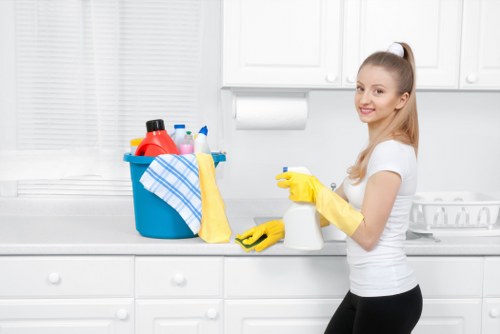
Many people start with do-it-yourself carpet cleaning because it feels convenient and affordable. For light soil or a small stain, DIY methods can be useful. However, there is a meaningful difference between surface cleaning and deep carpet cleaning. Knowing when to handle a job yourself and when to call in a professional can prevent frustration and avoid damage.
When DIY Makes Sense
DIY carpet cleaning is often enough for minor spills, routine vacuuming, and occasional spot treatment. If the carpet is still in good condition and the goal is a quick refresh, home equipment or store-bought products may do the trick. Many homeowners also use portable machines for pet accidents or high-use areas between professional visits.
When Professional Carpet Cleaning Is Better
Professional carpet cleaning becomes the better choice when the carpet is heavily soiled, stained, odor-affected, or overdue for maintenance. Professionals use stronger extraction equipment, proper cleaning chemistry, and fiber-specific techniques. They can also identify the safest treatment for delicate materials and backed carpets. In many cases, professional carpet cleaning produces a more even, longer-lasting result.
Professionals are also useful when the carpet has challenging issues such as recurring stains, water damage, or embedded pet odors. These problems often require specialized solutions and more powerful equipment than a household machine can provide. If the carpet is valuable or you want the best possible outcome, professional service is usually worth it.
Carpet Cleaning and Different Fiber Types
Not all carpets are created equal. Fiber type matters because different materials react differently to heat, moisture, and cleaning agents. A smart carpet cleaning approach always begins with understanding what the carpet is made of.
Nylon
Nylon is durable, resilient, and commonly used in both homes and commercial properties. It typically responds well to most carpet cleaning methods, including hot water extraction. Because it is popular in high-traffic areas, nylon often benefits from regular deep cleaning.
Polyester
Polyester is known for color clarity and softness, but it can attract oily soils. That means effective carpet cleaning may require products designed to break down grease and residue. Polyester carpets can look excellent when maintained properly.
Wool
Wool is a natural fiber that offers a luxurious feel, but it requires more careful handling. Over-wetting, harsh chemicals, and extreme heat can damage wool. For this reason, wool carpet cleaning should be performed with gentle products and precise moisture control.
Olefin and Blends
Olefin is often found in commercial applications and can handle moisture fairly well, though it may be more sensitive to oily soil. Blended fibers vary, so it is best to check the manufacturer’s recommendations before choosing a cleaning method. Matching the method to the fiber is essential for protecting the carpet’s appearance and structure.
Stain Removal Tips That Support Better Carpet Cleaning
Stains happen, and fast action can make the difference between a minor cleanup and a lasting mark. The first rule is simple: blot, do not rub. Rubbing spreads the stain and can damage the fibers. The second rule is to act quickly before the spill settles deeper.
Helpful stain-response steps include:
- Blot the spill with a clean, white cloth
- Work from the outside of the stain inward
- Use cool or lukewarm water for many common spills
- Test any cleaner in a hidden area first
- Avoid over-saturating the carpet
For coffee, wine, juice, ink, and pet stains, the exact approach will vary. Some stains respond well to mild detergent or enzyme-based cleaners, while others may need specialty treatment. The key is to avoid guesswork with strong chemicals. If a stain keeps returning after cleaning, it may be wicking from deeper in the padding, which means professional carpet cleaning may be necessary.
How to Keep Carpets Cleaner Between Deep Cleanings
One of the best ways to reduce the need for frequent heavy carpet cleaning is to maintain the carpet daily or weekly. Small habits can make a significant difference over time. Prevention is easier than restoration, and it helps preserve the look and feel of the flooring.
Practical Maintenance Habits
- Vacuum high-traffic areas several times a week
- Use mats at entryways to reduce tracked-in dirt
- Remove shoes indoors when possible
- Clean spills immediately before they set
- Rotate furniture to balance wear patterns
- Trim pet nails to reduce snagging and abrasion
These habits support a cleaner carpet and can reduce the amount of deep carpet cleaning needed throughout the year. They also help maintain the fibers so the carpet feels better underfoot for longer. If you combine regular vacuuming with occasional professional service, you will likely notice a major improvement in both cleanliness and longevity.
Smart maintenance is the secret behind long-lasting carpet cleaning results.
Eco-Friendly Carpet Cleaning Choices
Many homeowners and businesses are looking for greener ways to maintain their spaces. Eco-friendly carpet cleaning focuses on reducing harsh chemical use while still delivering strong results. This may include biodegradable cleaning agents, low-moisture systems, and methods that reduce water waste.
Eco-conscious carpet cleaning can be a good choice for households with children, pets, or individuals sensitive to strong odors. It is also attractive to businesses that want to maintain a cleaner image while supporting sustainability goals. The important thing is to balance environmental considerations with actual cleaning performance.
When choosing a service or product, look for solutions that are both effective and appropriate for the carpet material. Green does not have to mean weak. In fact, modern carpet cleaning technology often delivers excellent results while using less water and fewer chemicals than older methods.
What to Ask Before Choosing a Method
Consider whether the method is safe for your carpet fiber, how long drying will take, and whether residue will be left behind. These details matter because a truly effective carpet cleaning process should leave carpets fresh, not sticky or over-wet. Always balance sustainability with performance.
Common Carpet Cleaning Mistakes to Avoid
Even well-intentioned cleaning can go wrong if the wrong method or product is used. Avoiding a few common mistakes can save time, money, and frustration. Good carpet cleaning is as much about what you do not do as what you do.
Frequent Errors
- Using too much water, which can lead to mold or lingering dampness
- Applying harsh chemicals without testing them first
- Scrubbing stains aggressively and damaging the pile
- Skipping regular vacuuming before deep carpet cleaning
- Ignoring manufacturer recommendations for fiber care
- Allowing spills to sit too long before treating them
Another mistake is expecting one cleaning session to solve every problem. In reality, some carpets need repeated treatment or a combination of methods. A professional may pre-treat stains, extract soil, and then apply a deodorizing or protective treatment. That layered approach often works better than a single pass. Patience and the right technique are central to successful carpet cleaning.
Why Carpet Cleaning Is Worth the Effort
Carpet cleaning is not simply a chore to check off a list. It is an important part of property care that affects appearance, comfort, health, and even long-term cost. Clean carpets create a more inviting environment, whether the setting is a family living room, an apartment, a hotel corridor, or a busy office.
When carpets are maintained regularly, they last longer and perform better. That means fewer odors, fewer visible stains, and less wear from embedded grit. It also means your home or business feels more polished every day. In many settings, carpet cleaning is one of the fastest ways to improve the overall presentation of a room without remodeling or major expense.
For anyone trying to protect flooring, reduce allergens, or refresh a space, the value is clear. A thoughtful carpet cleaning plan can make a noticeable difference in how a property looks and feels. If it has been a while since your carpets were properly cleaned, now is the right time to act. Contact us today or book your service now to take the next step toward cleaner, healthier carpets.
Final Thought
Whether you choose routine vacuuming, targeted spot treatment, or professional deep carpet cleaning, consistency matters. Clean carpets are not a luxury; they are part of a well-maintained space. Start with one room, one stain, or one maintenance habit, and build from there. The results will speak for themselves.