Mattress Cleaning: A Practical Approach to a Fresher, Healthier Bed
Why Mattress Cleaning Matters for Everyday Comfort

Mattress cleaning is one of the most overlooked parts of home care, yet it has a direct impact on sleep quality, hygiene, and comfort. Your mattress collects dust, sweat, dead skin cells, spills, allergens, and, over time, odors that can affect both the feel and freshness of your bed.
Many people clean sheets and pillowcases regularly, but forget that the mattress beneath them also needs attention. Over months and years, a mattress can become a hidden reservoir of contaminants. Regular mattress cleaning helps reduce buildup, supports a cleaner sleeping environment, and can even extend the life of the mattress.
From busy households to homes with pets or children, mattress cleaning is a smart maintenance habit. It is not just about appearance. It is about maintaining a healthier place to rest every night.
What Gets Trapped Inside a Mattress?
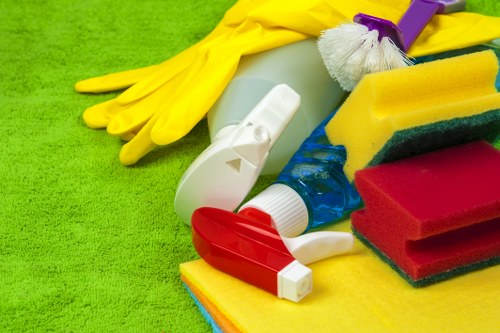
A mattress can accumulate a surprising amount of material over time. Even if you change your bedding weekly, particles still find their way into the fabric and layers below. Understanding what builds up inside makes mattress cleaning feel less optional and more necessary.
Common contaminants include dust mites, shed skin cells, body oils, sweat, pollen, pet dander, food crumbs, and microscopic debris. These particles can settle into seams, stitching, and internal padding, making the mattress feel less fresh and sometimes triggering odors or allergies.
In humid environments, moisture can also contribute to bacteria growth and musty smells. That is why mattress cleaning should be part of a regular cleaning routine, especially if the bed is used every night and not protected properly.
Signs Your Mattress Needs Cleaning
Not every mattress looks dirty on the surface, but there are clear signs that it needs attention. If you notice one or more of the following, it may be time for a deeper mattress cleaning session:
- Persistent odors even after changing bedding
- Visible stains or yellowing on the surface
- Increased sneezing, sniffles, or allergy symptoms in bed
- A dull, dusty, or grimy feel on the mattress fabric
- Pet hair or crumbs embedded in seams
- Moisture marks from spills or sweating
These signs do not always mean the mattress is ruined. In many cases, timely mattress cleaning can refresh the surface and improve comfort. The sooner stains and odors are addressed, the better the results usually are.
If your bed has not been cleaned in a long time, or if you have recently dealt with spills, accidents, or illness, a more thorough cleaning may be needed. Contact us today if you want support with restoring freshness and cleanliness to your mattress.
How Often Should Mattress Cleaning Be Done?
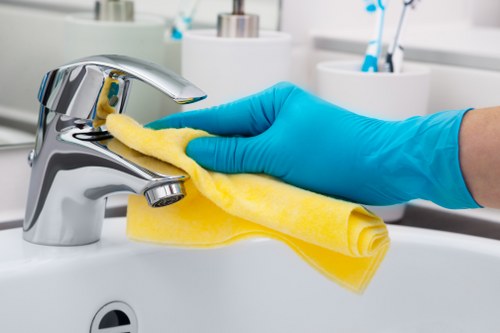
The right frequency for mattress cleaning depends on how the mattress is used and what happens in the bedroom. As a general rule, surface cleaning and maintenance should be done regularly, while deep cleaning can be scheduled a few times a year.
For most households, mattress cleaning every six months is a practical target. However, homes with pets, children, allergies, or moisture issues may need more frequent care. If there are spills or stains, those should be treated immediately rather than waiting for a planned cleaning date.
A simple routine is often the easiest to maintain. Vacuum the mattress monthly, rotate it if the manufacturer recommends it, and refresh it seasonally with deeper stain and odor treatment. This keeps buildup from becoming difficult to remove later.
Recommended Cleaning Schedule
Here is a helpful breakdown for keeping a mattress in good condition:
- Weekly: Change bedding and air out the mattress when possible
- Monthly: Vacuum the mattress surface and seams
- Every 3 to 6 months: Perform deeper mattress cleaning
- Immediately: Treat spills, stains, and accidents as they happen
This schedule makes mattress cleaning more manageable and helps preserve the materials inside the bed. It also reduces the chance that odors and allergens will build up over time.
Consistency matters more than perfection. Even a basic cleaning routine can make a meaningful difference in freshness and comfort.
Essential Tools and Supplies for Mattress Cleaning
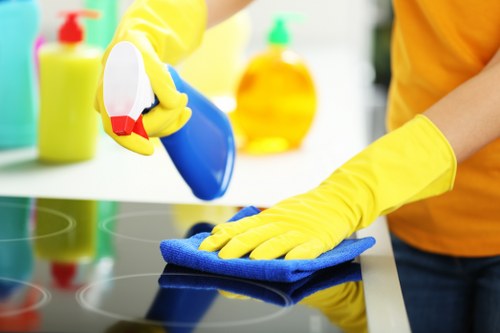
Before starting mattress cleaning, it helps to gather the right supplies. You do not need a huge collection of products, but having a few basic tools ready will make the process easier and more effective.
Common mattress cleaning supplies include a vacuum with an upholstery attachment, mild detergent, baking soda, clean microfiber cloths, a spray bottle, cold water, and a soft brush. For stain treatment, some people also use enzyme cleaners or upholstery-safe solutions depending on the type of stain.
It is important to avoid soaking the mattress. Excess water can seep into the padding and create problems with mold or mildew. The goal of mattress cleaning is to remove dirt and odors while keeping the mattress as dry as possible.
Helpful items to keep on hand
- Vacuum cleaner with crevice tool
- Soft-bristle brush
- Microfiber towels
- Baking soda
- Mild liquid soap
- Enzyme cleaner for organic stains
- Fan or open window for drying
Step-by-Step Mattress Cleaning Process

A structured mattress cleaning routine helps you avoid damage and achieve better results. While methods can vary depending on the mattress type and the stain, the basic process remains similar.
Step 1: Strip the bed. Remove all sheets, blankets, mattress protectors, and pillows so the entire surface is exposed. Wash bedding separately before putting it back on.
Step 2: Vacuum thoroughly. Use the upholstery attachment to vacuum the top, sides, seams, and edges. This removes dust, hair, and loose debris before cleaning deeper stains.
Step 3: Spot-treat stains. Apply a small amount of cleaner to a cloth or directly to the stain depending on the product instructions. Blot gently rather than scrubbing, which can spread the stain or damage fabric.
Continuing the Mattress Cleaning Process
Step 4: Deodorize with baking soda. Sprinkle baking soda evenly over the mattress surface and leave it for several hours. Baking soda helps absorb moisture and neutralize odors during mattress cleaning.
Step 5: Vacuum again. After the baking soda has sat for enough time, vacuum it off carefully. You should notice a fresher smell and a cleaner surface.
Step 6: Allow complete drying. Let the mattress air dry fully before making the bed. Use fans or open windows to improve airflow if needed. A mattress that stays damp too long may develop odor or mildew.
This method works well for routine mattress cleaning and can be adapted for deeper refreshes. If the mattress has severe staining, old odors, or persistent buildup, professional cleaning may be the better option.
How to Remove Common Mattress Stains
Different stains call for different mattress cleaning techniques. The sooner you act, the better the results usually are. Always test a cleaning product on a small hidden area first if possible.
1. Sweat and body oil stains
Use a mild soap solution and blot the area gently with a microfiber cloth. Follow with a light sprinkle of baking soda to help absorb residual moisture and odor.
2. Blood stains
Cold water is essential. Dab the area with a cloth dampened in cold water and a small amount of mild detergent or enzyme cleaner. Avoid hot water, which can set the stain.
3. Urine stains
For accidents, especially with children or pets, use an enzyme-based cleaner designed to break down organic matter. Blot thoroughly and allow the area to dry completely.
4. Food and beverage spills
Remove solids first, then blot the area with a lightly damp cloth and mild soap. Avoid over-wetting the mattress. A second round of baking soda can help with any lingering smell.
These stain-removal methods are a key part of effective mattress cleaning. When used carefully, they can improve both appearance and comfort without damaging the mattress layers.
Mattress Cleaning for Allergies and Better Air Quality
For allergy sufferers, mattress cleaning can make a noticeable difference. Dust mites and their waste particles are common triggers for sneezing, congestion, and itchy eyes. Because mattresses are used for hours each night, reducing these irritants is especially important.
Vacuuming regularly, using a hypoallergenic mattress protector, and keeping humidity under control are all useful steps. Mattress cleaning can help reduce the buildup of allergens that collect in fabric and seams over time.
Better mattress hygiene may also support better indoor air quality. Every time you move in bed, tiny particles can become airborne. A cleaner mattress means fewer particles circulating in the room, which can make sleeping more comfortable.
Practical Allergy-Friendly Habits
- Wash bedding in hot water weekly if fabric care allows
- Use dust-mite-resistant covers
- Keep pets off the bed if allergies are a concern
- Vacuum the mattress and bedroom floor regularly
- Maintain moderate humidity levels in the room
These habits support long-term mattress cleaning results and help maintain a healthier sleep environment. They are especially useful in homes where sensitive sleepers need extra protection from allergens.
Why a Mattress Protector Helps
A mattress protector is one of the easiest ways to reduce the amount of cleaning needed. It acts as a barrier against spills, sweat, dust, and daily wear, making mattress cleaning much simpler over time.
Without protection, liquids and debris can soak into the mattress fibers and create stains or odors that are harder to remove. With a good protector, most messes stay on the surface and can be washed away before they cause lasting damage.
Mattress cleaning becomes more efficient when the mattress is protected from the start. This also helps preserve the warranty on some mattresses, since many manufacturers require proper care and protection.
Choose a protector that is breathable, washable, and suitable for your mattress size and material. A quality cover should not trap heat or make sleep uncomfortable.
When Professional Mattress Cleaning Makes Sense
Sometimes home cleaning is not enough. A professional mattress cleaning service can be useful when the mattress has deep stains, repeated odors, heavy allergen buildup, or contamination that requires specialized treatment.
Professional cleaners often use equipment that reaches deeper into mattress layers than standard household tools. They may also offer steam extraction, targeted stain removal, and deodorizing treatments designed for different mattress materials.
If the mattress has been exposed to smoke, pets, urine, or long-term moisture, professional mattress cleaning may save time and improve results. It can also be a good option for households that want a thorough reset without the hassle of doing everything themselves.
Situations that often need expert help
- Old stains that have set into the fabric
- Strong odors that return after basic cleaning
- Mold or mildew concerns from water exposure
- Allergy problems that persist despite home cleaning
- Mattresses used in rentals, guest rooms, or hospitality settings
If you are unsure whether to clean it yourself or bring in help, consider the age of the mattress, the severity of the issue, and the time available. Book your service now if the mattress needs a deeper, more specialized approach.
Best Practices to Keep a Mattress Fresh Longer
Good maintenance is the secret to making mattress cleaning easier. The more you protect the mattress day to day, the less often you will need intensive cleaning.
Start with clean bedding, regular vacuuming, and a protective cover. Avoid eating in bed if possible, and address moisture quickly. Even small habits can reduce buildup and make a noticeable difference over time.
Rotating the mattress when appropriate can also help distribute wear more evenly. Always follow the manufacturer’s care instructions, since some mattresses are designed differently and may require specific handling.
Simple freshness habits
- Air out the bedroom regularly
- Let the mattress breathe by removing bedding occasionally
- Keep spills from sitting overnight
- Wash protectors and covers on a schedule
- Use gentle cleaning methods instead of harsh scrubbing
These habits support both comfort and durability. Over time, they reduce the workload of mattress cleaning and help the mattress stay more inviting.
Common Mistakes to Avoid During Mattress Cleaning
Even well-intended cleaning can go wrong if the wrong methods are used. Avoiding common mistakes is just as important as using the right techniques.
One of the biggest mistakes is using too much water. A mattress should never be saturated, because trapped moisture can lead to odor and damage. Another mistake is scrubbing stains aggressively, which can spread the mark or wear down the surface fabric.
Using strong chemicals without checking compatibility is also risky. Some cleaners can discolor fabric, weaken fibers, or leave residues behind. For safer mattress cleaning, always follow product directions and use gentle methods first.
Other mistakes include putting bedding back on before the mattress is fully dry and ignoring small stains until they become larger problems. A quick response usually leads to a better outcome.
Final Thoughts on Mattress Cleaning
Mattress cleaning is a simple habit with long-term benefits. It improves freshness, supports healthier sleep, reduces allergens, and helps your mattress last longer. Whether you are tackling a few surface stains or refreshing a mattress that has been in use for years, regular care makes a real difference.
A clean mattress feels better, smells better, and contributes to a more relaxing bedroom overall. By combining routine vacuuming, stain treatment, odor control, and prevention strategies, you can keep your sleep surface in far better shape.
If your mattress needs a deeper refresh, do not wait until odors or stains become harder to manage. Contact us today to learn more about mattress cleaning support, or book your service now to give your bed a cleaner, fresher start.