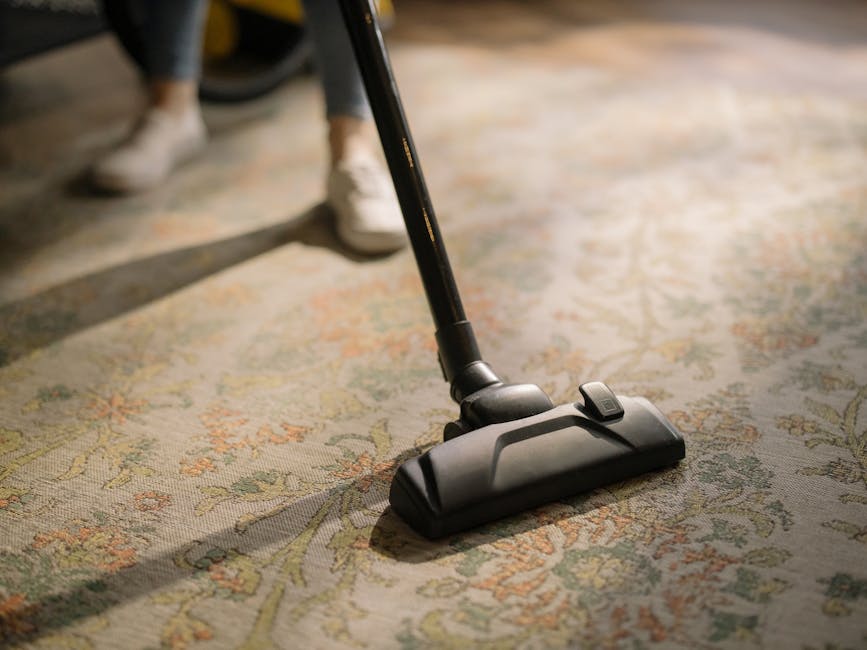
SE21 rug cleaning experts for Dulwich Estate homes: a practical guide to cleaner, longer-lasting rugs
If you live in Dulwich Estate and your rugs are starting to look tired, flattened, or a bit dull around the edges, you are not alone. Daily foot traffic, muddy shoes, pets, spilled tea, and the odd rainy London afternoon all leave a mark. That is exactly why people look for SE21 rug cleaning experts Dulwich Estate homes can rely on: not just for a quick refresh, but for careful cleaning that protects fibres, colours, and the feel of the room.
This guide explains how professional rug cleaning works, why it matters in local homes, what to expect from the process, and how to avoid common mistakes that can shorten the life of a rug. It also covers the practical side, like choosing the right method, checking safety and insurance, and knowing when a rug needs specialist attention rather than a DIY attempt. Truth be told, rugs can be deceptively tricky. They look simple until a stain starts bleeding, a fringe shrinks, or the pile goes a bit grumpy after the wrong cleaner.
For readers who want to compare related services too, you may find it useful to explore rug cleaning, carpet cleaning, and stain removal as part of a wider home-care plan.
Table of Contents
- Why SE21 rug cleaning experts Dulwich Estate homes Matters
- How SE21 rug cleaning experts Dulwich Estate homes Works
- Key Benefits and Practical Advantages
- Who This Is For and When It Makes Sense
- Step-by-Step Guidance
- Expert Tips for Better Results
- Common Mistakes to Avoid
- Tools, Resources and Recommendations
- Law, Compliance, Standards, or Best Practice
- Options, Methods, or Comparison Table
- Case Study or Real-World Example
- Practical Checklist
- Conclusion
- Frequently Asked Questions
Why SE21 rug cleaning experts Dulwich Estate homes Matters
Rugs do more than decorate a room. They soften acoustics, make period rooms feel warmer, and pull together furniture in a way hard flooring never quite manages. In Dulwich Estate homes, that matters even more because many properties have characterful interiors, family living spaces, and a mix of old and new furnishings. A rug that looks neglected can make the whole room feel less cared for. A well-cleaned rug, on the other hand, quietly lifts everything.
Professional rug cleaning matters because rugs trap more than visible dirt. Dust, pollen, crumbs, pet hair, cooking residue, and everyday grime settle deep into the pile. You may vacuum often and still feel the rug has a stale look or a faint odour. That is normal. Surface cleaning only does so much. The deeper issue is what sits below the visible fibres.
There is also the risk of damage. Many rugs, especially wool, viscose blends, handwoven pieces, and natural fibre rugs, respond badly to harsh DIY products. Too much moisture can cause shrinkage or backing issues. Strong detergents can strip colour or leave a sticky residue that attracts dirt even faster. A proper cleaning approach is about balance: enough power to clean, but enough care to preserve the rug.
For homes with other soft furnishings, it often makes sense to think more broadly. A rug cleaned properly can sit alongside refreshed sofa cleaning or upholstery cleaning, especially if the room is used every day. A room can look freshly done, yet still feel off if the rug is dull and the sofa is bright. Small detail, big difference.
Expert summary: Rug cleaning is not just about appearances. In Dulwich Estate homes, it helps preserve fibres, reduce trapped dirt, improve freshness, and avoid the sort of damage that often comes from guesswork with household cleaners.
How SE21 rug cleaning experts Dulwich Estate homes Works
Professional rug cleaning is usually a step-by-step process rather than one fixed technique. The right method depends on the rug's material, construction, dye stability, age, and level of soiling. A good cleaner starts by identifying what they are dealing with. That sounds obvious, but it is where a lot of mistakes are avoided.
Typically, the process begins with inspection. The cleaner checks the fibre type, pile density, backing, fringe condition, stains, wear patterns, and any pre-existing damage. They may also test a hidden spot for colour fastness. If the dye starts to move, the approach changes. No drama, just sensible caution.
Next comes dry soil removal. This often includes careful vacuuming and sometimes gentle mechanical agitation. Removing loose grit first matters more than most people realise. If abrasive dirt remains in the fibres, wet cleaning can turn it into a grinding paste. That is bad for pile structure and texture.
After that, the rug is treated according to its needs. Some rugs benefit from a low-moisture process. Others need deeper washing and controlled rinsing. Stain treatment may be applied before or after the main cleaning, depending on the stain type. For example, a food spill may respond differently from a pet accident or an old drink stain. If you are dealing with that kind of issue, pet stain and odour removal can be relevant alongside the main rug service.
Drying is just as important as washing. A rug must dry evenly and thoroughly to help prevent odours, browning, or a musty smell. In practice, this is where experience shows. A rushed dry can leave a rug looking fine at first, then not so fine two days later. The cleaner should be honest about drying times and aftercare, not vague.
Key Benefits and Practical Advantages
There are plenty of reasons to invest in professional rug care, and not all of them are cosmetic. Yes, a cleaner rug looks better. But the bigger benefits are often quieter and more practical.
- Longer rug life: Removing soil and residue helps protect fibres from wear and matting.
- Better indoor freshness: Old spills, pets, and dust can leave a room feeling stale.
- Improved appearance: Colours often look brighter and patterns clearer after proper cleaning.
- Safer care for delicate pieces: Specialist methods reduce the risk of shrinkage, bleeding, or distortion.
- More comfortable living spaces: Clean textiles can make a room feel calmer and more welcoming.
There is also the matter of maintenance economics. A good rug can be a worthwhile investment, especially if it is handmade or bought to suit a particular room. Regular care is usually cheaper than replacement. That is the plain truth of it. You do not want to be shopping for a new rug because a bottle of supermarket cleaner went a bit rogue.
Another practical advantage is consistency. Home cleaning often deals with the easy-to-see top layer, but professional attention reaches into the deeper build-up. That means less recurring dullness. In rooms with high foot traffic or pets, you will notice the difference more quickly. The rug stops looking permanently tired.
If your home also needs attention elsewhere, a combined approach can make sense. Many households pair rug cleaning with steam carpet cleaning for fitted flooring or curtain cleaning for rooms where dust collects on soft furnishings and window dressings. Little refreshes add up.
Who This Is For and When It Makes Sense
Not every rug needs urgent intervention. Some just need steady vacuuming and the occasional spot treatment. But professional cleaning becomes especially sensible in a few common situations.
If your rug has visible traffic lanes, flattened pile, a lingering smell, or a stain that keeps reappearing after drying, that is a clear sign. If you have children, pets, or a busy household, the rug probably sees more life than you think. In Dulwich Estate homes, open living spaces and family rooms often mean rugs work hard. Very hard, actually.
It also makes sense if the rug is valuable, sentimental, or delicate. Hand-knotted wool rugs, natural fibre rugs, antique pieces, and items with fringe or dye sensitivity are all better handled with specialist knowledge. You do not want guesswork on a rug you care about.
Commercial or mixed-use properties can benefit too. While this article focuses on homes, people sometimes use the same standards for client-facing or shared spaces. If that applies to you, commercial carpet cleaning can complement rug care in more formal settings.
Sometimes the trigger is simple: you walk into the room on a grey afternoon and think, "That rug used to look lovely." That moment counts. If it has crossed your mind more than once, it is probably time to get it assessed.
Step-by-Step Guidance
If you are considering rug cleaning for your home, it helps to know the normal sequence. Here is a practical, realistic outline.
- Identify the rug type. Check whether it is wool, synthetic, silk, cotton, viscose, jute, sisal, or a blend. If you are unsure, say so. Guessing is not clever here.
- Inspect for stains and damage. Look for worn areas, loose threads, fringe issues, pet spots, and colour variation.
- Vacuum both sides if appropriate. Dry soil removal helps prevent abrasive wear during wet cleaning.
- Test for colour stability. A small hidden test can prevent dye transfer or edge bleeding.
- Choose the right method. Low-moisture, hot water extraction, hand cleaning, or specialist treatment may be suitable depending on the rug.
- Treat stains carefully. Spot treatment should match the stain type. What works on food residue may not suit pet urine or oily marks.
- Rinse or extract properly. Leaving residues behind is a common cause of rapid resoiling.
- Dry fully and evenly. The rug should not be folded or returned to the room too soon.
- Post-clean inspection. Check the pile, fringe, smell, and any remaining marks once dry.
If you are doing any pre-clean spot treatment yourself, use only what is recommended for the fibre type, and keep the area lightly damp rather than soaked. Slightly annoying answer, perhaps, but the safest one. Too much water is one of the easiest ways to create a problem that was not there before.
Expert Tips for Better Results
A few small habits make a big difference to how long your rug stays fresh after cleaning.
- Vacuum regularly, but gently. Frequent light vacuuming is better than occasional aggressive passes that distort the pile.
- Rotate the rug. This helps distribute wear, especially near doors, sofas, and favourite reading chairs.
- Act quickly on spills. Blot, do not rub. Rubbing often pushes the spill deeper.
- Lift rather than scrub. Most stains respond better to patient treatment than force.
- Keep heavy furniture movement in mind. Moving furniture after cleaning can snag fibres if you are not careful.
- Match the method to the material. Wool and viscose behave very differently. A one-size-fits-all approach is rarely wise.
A good cleaner will also talk through aftercare. Sometimes that means keeping shoes off the rug for a while, letting air flow through the room, or avoiding placing furniture back too early. It sounds minor, but it matters. A rug that dries properly tends to stay fresher and flatter for longer.
For households where odour is part of the problem, especially with pets, combining rug care with pet stain odour removal can be a more complete fix than surface cleaning alone.
Common Mistakes to Avoid
Rug damage often happens through well-meant but unhelpful actions. The worst part? People usually realise only after the fact.
- Using too much water: Saturation can lead to backing damage, shrinkage, or delayed drying.
- Scrubbing stains hard: This can spread the stain and fray the fibres.
- Using the wrong cleaner: Bleach, strong detergents, and all-purpose sprays can be risky on delicate fibres.
- Skipping colour testing: Dye movement is one of those problems you really want to catch early.
- Cleaning only the top surface: Dirt below the pile continues to work its way up.
- Putting the rug back too soon: Even if it feels dry on top, it may still be damp deeper down.
There is another subtle mistake: treating every mark as the same thing. Grease, tannin stains from tea, pet accidents, mud, and paint residue each need different handling. That is why a proper inspection matters. It is a bit like cooking, really. The ingredients decide the method, not the other way around.
And yes, if a method sounds too quick and too good to be true, it usually is.
Tools, Resources and Recommendations
You do not need a van full of equipment to look after a rug at home, but a few sensible tools help between professional visits.
- A vacuum with adjustable suction
- A soft brush or upholstery attachment
- Clean white cloths for blotting spills
- A fan or good airflow for drying after spot cleaning
- A protective pad or underlay to reduce movement and wear
If you are choosing a professional, look for clear answers on fibre care, stain treatment, drying, and insurance. You should feel comfortable asking what method they intend to use and why. If they cannot explain it plainly, that is not ideal. You deserve proper answers, not vague reassurance and a smile.
For pricing transparency, a useful place to start is pricing and quotes. If you want to understand the business background before booking, about us can help build trust. And if you need to confirm practical service details, insurance and safety is worth checking before anyone sets foot in your home.
Law, Compliance, Standards, or Best Practice
Rug cleaning in a home setting is not usually about heavy regulation, but good practice still matters. Responsible operators should work safely, protect your property, and explain any limitations before starting. In the UK, that normally means paying attention to safe chemical use, suitable equipment, and sensible handling of wet textiles and electrical gear.
From a homeowner's perspective, the important thing is simple: ask whether the cleaning method suits your rug, whether the cleaner has insurance, and how they manage risks such as dye bleed or moisture retention. If a rug is old, handmade, or particularly valuable, it is reasonable to request a cautious approach. That is not being fussy. That is being sensible.
Best practice also includes honest communication about what can and cannot be removed. Some stains are permanent. Some marks are lightened, not erased. A trustworthy cleaner will say so upfront rather than promise miracles. That honesty matters more than fancy wording.
For broader business and consumer confidence, you may also want to review practical site policies like terms and conditions and the privacy policy. They may not be exciting reading. Few policies are. But they do help clarify how a service is delivered and how your information is handled.
Options, Methods, or Comparison Table
Different rugs and different homes need different approaches. The table below gives a straightforward comparison of common methods. It is not exhaustive, but it helps with decision-making.
| Method | Best for | Strengths | Watch-outs |
|---|---|---|---|
| Low-moisture cleaning | Routine refreshes, some synthetics, lightly soiled rugs | Faster drying, less water exposure | May not remove deep set soil as thoroughly |
| Hand cleaning / specialist care | Delicate, antique, handwoven, or colour-sensitive rugs | High control, lower risk when done well | More time-consuming, depends on skill |
| Deep extraction | Heavier soil, traffic marks, larger everyday-use rugs | Good for deeper cleaning and residue removal | Requires careful drying and fibre suitability |
| Spot treatment only | Isolated spills on otherwise clean rugs | Quick and economical | Won't solve overall dullness or embedded dirt |
In practice, many homes use a blend of methods. That is normal. A living room rug might need a careful full clean once in a while, with small spot treatments in between. A hallway runner, by contrast, may need more frequent attention because it catches grit every day. One method for all rooms? Not really. Life is messier than that.
Case Study or Real-World Example
Consider a typical Dulwich Estate living room: wooden floors, a medium-sized wool rug under a coffee table, two children, and a dog who refuses to wipe its paws properly. The rug looks fine from a distance, but up close the centre is flatter, the edges have a little darkening, and there is a faint smell after damp weather. Nothing dramatic. Just enough to make the room feel less fresh.
A sensible cleaner would start with fibre identification and a stain check, then test for colour stability. The rug would be vacuumed thoroughly, treated for any obvious marks, and cleaned using a method suited to wool. Drying would be managed carefully so the pile does not end up uneven. Once dry, the room would likely feel noticeably lighter. Not brand new, not magic, just properly cared for.
That kind of result matters because it changes how you use the room. You stop side-eyeing the rug every time the sunlight comes in. The room feels easier to live in. Small thing, yes. But real.
If similar wear is happening to other fabrics in the home, it can be worth bundling services. For example, a tired rug, dusty curtains, and a sofa that has lost its shape often respond well to a combined approach involving curtain cleaning and sofa cleaning alongside rug care.
Practical Checklist
Use this checklist before booking or cleaning a rug at home.
- Identify the rug material if you can.
- Check for colour fading, loose threads, or fringe damage.
- Note down any stains and how long they have been there.
- Vacuum thoroughly before any wet treatment.
- Ask what method will be used and why.
- Confirm drying guidance and expected turnaround.
- Make sure the cleaner has insurance and clear terms.
- Keep pets and heavy foot traffic off the rug while it dries.
- Inspect the rug again once fully dry.
- Plan routine maintenance so the rug does not drift back into the same state.
Here is the short version: if the rug matters to the room, it deserves proper care. That is really the heart of it.
Get a free quote today and see how much you can save.
Conclusion
Choosing SE21 rug cleaning experts for Dulwich Estate homes is about more than finding someone who owns the right machine. It is about finding careful judgement, fibre knowledge, and a practical approach that respects the way people actually live. Rugs in busy homes work hard. They collect the everyday stuff: shoes, crumbs, pet hair, tea splashes, and all the quiet wear that builds up over time.
The best results usually come from a simple formula: identify the rug correctly, use the right method, dry it properly, and keep expectations realistic. Do that well, and the rug lasts longer, looks better, and feels like part of the home again. Not a problem area. Just a nice part of the room.
If you are ready to restore a rug that has started to lose its spark, take the next step with confidence. A good clean can be surprisingly uplifting, and sometimes that is enough to make the whole space breathe again.
Frequently Asked Questions
How often should a rug be professionally cleaned in a Dulwich Estate home?
It depends on traffic, pets, and the rug material. Many busy household rugs benefit from periodic professional cleaning, while lower-use pieces may need it less often. If the rug starts looking dull, flattening quickly, or holding odours, that is usually a good sign it needs attention sooner.
Can all rug types be cleaned the same way?
No. Wool, synthetic fibres, viscose, silk, cotton, and natural fibres all behave differently. A good cleaner will choose the method based on the rug's material, dye stability, and construction. One-size-fits-all cleaning is a bit of a gamble, frankly.
Is rug cleaning safe for handmade or antique rugs?
It can be, if the rug is assessed carefully and cleaned with a suitable method. Handmade and antique rugs often need more cautious handling, low-moisture processes, or specialist attention. Always mention age, origin, and any existing wear before cleaning starts.
What is the difference between rug cleaning and carpet cleaning?
Carpets are usually fixed in place, while rugs are portable and often made from more varied materials or constructions. That means rug cleaning usually requires more detailed inspection and a more tailored process. If your flooring also needs care, carpet cleaning can be a useful separate service.
Will cleaning remove pet smells from a rug?
Sometimes, but not always fully. Pet odours can sink into fibres and backing layers, so the result depends on the severity and how long the issue has been there. In stronger cases, pet stain odour removal may be needed alongside the main clean.
How long does a rug take to dry after cleaning?
Drying time varies by method, rug thickness, room airflow, and weather. A lightweight rug in a well-ventilated room will usually dry faster than a dense wool piece. The key is not to rush it back into heavy use before it has fully dried through.
Can I clean a rug myself with household products?
You can handle small spills carefully, but household products are risky on delicate rugs. Some cleaners can cause colour bleeding, residue build-up, or fibre damage. For anything valuable, old, or heavily soiled, professional cleaning is the safer route.
What should I do before the cleaner arrives?
Move small items off the rug, vacuum if advised, and point out stains, damage, or areas of concern. It also helps to mention any previous treatments or products used. That small bit of context can save a lot of guesswork.
How do I know if my rug needs a deep clean rather than spot treatment?
If the whole rug looks tired, the pile feels rough, or there is general dullness beyond a single mark, a deep clean is often the better option. Spot treatment is useful for isolated issues, but it will not refresh the whole rug. If the room feels off, the rug may be telling you something.
Is it worth cleaning a rug if it has old stains?
Usually yes. Old stains may not disappear entirely, but they can often be reduced and the overall appearance improved. Even when a stain remains faintly visible, removing built-up soil and odour can make the rug look and feel much better.
What should I ask before booking rug cleaning?
Ask about the cleaning method, drying time, insurance, stain treatment, and whether the cleaner has experience with your rug type. Clear answers are a good sign. If the response is vague or rushed, that is worth noting.
Can rug cleaning help a room feel fresher overall?
Yes. A clean rug can reduce stale smells, brighten the look of the room, and make the space feel better cared for. It is one of those things people notice even if they cannot quite explain why. The room just feels better, that's all.
Where can I learn more about the company before I book?
You can review about us, check insurance and safety, and read the service information on rug cleaning. If you want to understand service details and expectations, those pages are a sensible place to start.