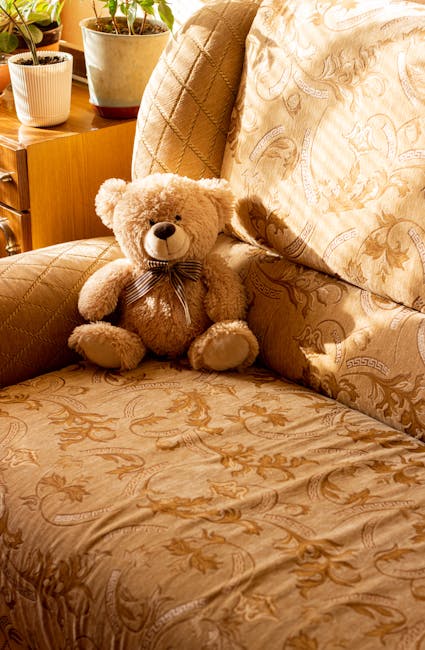
North Dulwich upholstery cleaning trusted local team
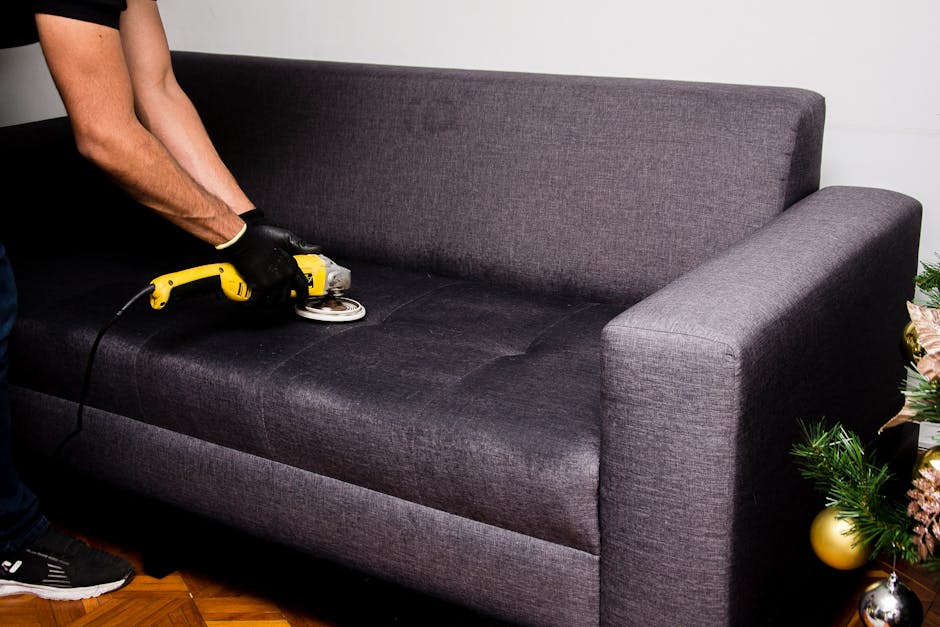
If your sofa is looking a bit tired, your dining chairs have picked up everyday grime, or that favourite armchair has one stubborn stain you keep noticing, you are in the right place. North Dulwich upholstery cleaning trusted local team is really about more than making furniture look neat again. It is about careful fabric care, removing built-up dirt, and choosing a local team that understands how to clean safely without causing damage.
In a home, upholstery takes a beating in ways people often do not spot straight away. Dust settles deep into fibres, body oils build up on arms and headrests, pets leave behind odour and fur, and spills can set before you have even had time to deal with them. The good news? A proper upholstery clean can make a noticeable difference. This guide explains how it works, what to expect, what to avoid, and how to decide whether professional cleaning is the right next step.
For a wider look at related fabric care, you may also want to explore upholstery cleaning, sofa cleaning, and stain removal where the approach needs to be especially careful.
Why North Dulwich upholstery cleaning trusted local team Matters
Upholstery cleaning sounds simple until you are the one standing there with a delicate fabric, a suspicious mark, and the worry that the wrong product could leave a ring or fade the colour. That is why choosing a trusted local team matters. You want somebody who knows the difference between a fabric that can handle a deeper wet clean and one that needs a gentler method.
Local experience helps in a few practical ways. A team that works regularly in North Dulwich tends to understand the pace of local homes, the mix of family properties and busy households, and the reality that people need an efficient visit that does not turn into an all-day disruption. Let's face it, nobody wants wet cushions hanging around forever because the process was rushed or poorly planned.
A good upholstery clean is also about protecting the furniture you already own. Replacing a sofa or set of chairs is expensive, and once fabric is worn, it does not always get a second chance. Regular cleaning can help extend usable life by reducing abrasive dirt in the fibres and keeping the material looking fresher for longer. That alone can make the service feel less like a luxury and more like sensible upkeep.
Expert summary: the value of a trusted local team is not just cleaning power. It is judgement. The right method, the right chemistry, the right drying approach, and a careful eye for fabric type make the biggest difference between a decent clean and an expensive mistake.
There is another angle too: peace of mind. When you bring someone into your home, you want confidence in how they work, how they handle surfaces, and how they respond if something unexpected comes up. A professional approach should feel calm, tidy, and transparent from the first inspection to the final handover.
How North Dulwich upholstery cleaning trusted local team Works
Most upholstery cleaning jobs follow a fairly clear process, though the exact method depends on the fabric, soil level, and any stains or odours present. A competent cleaner will not jump straight in with equipment. First comes inspection. That part matters more than people think.
During the inspection, the cleaner checks the upholstery type, condition, colour fastness, wear patterns, and any care labels or manufacturer guidance if available. This helps determine whether the fabric can tolerate hot water extraction, low-moisture cleaning, foam application, or a more delicate targeted approach. If you have ever wondered why one sofa can be cleaned aggressively while another needs a light touch, this is the reason.
Next comes vacuuming and dry soil removal. This is not a quick cosmetic step. Loose debris, crumbs, pet hair, and grit can all interfere with the cleaning stage. If they are left in place, they can smear, embed further into the fabric, or scratch delicate fibres during agitation. A proper vacuum stage also helps reveal the true condition of the textile underneath the everyday fluff.
Then pre-treatment is applied where needed. This might be a stain solution for food marks, a deodorising treatment for pet smells, or a fabric-safe pre-spray to loosen general grime. In good hands, this is done sparingly and with restraint. More product is not always better. Sometimes it is just wetter. And wetter is not the goal.
After that comes the main cleaning phase. Depending on the fabric, this may involve hot water extraction, controlled steam-based cleaning, low-moisture agitation, or another suitable technique. The key word is controlled. Upholstery is not carpet, and treating it as if it were can lead to over-wetting, longer drying times, or texture changes.
Finally, the team may use spot treatment, grooming, and accelerated drying measures where appropriate. A good finish leaves the fibres raised, the surface even, and the fabric looking cleaner without feeling sticky or heavily damp. If a room smells faintly fresh rather than perfumed-over, that is usually a good sign too.
For people comparing service types, it may help to look at related pages such as steam carpet cleaning for moisture-based soil removal and pet stain odour removal where odour is as important as appearance.
Key Benefits and Practical Advantages
The obvious benefit is a cleaner sofa or chair. But the real value goes well beyond the surface. A professional upholstery clean can improve the feel of the room, help remove stale odours, and reduce the dulling effect that everyday grime creates over time. You notice it most when sunlight hits the fabric and the colour looks brighter again. Small thing, maybe. Still satisfying.
- Better appearance: colours look fresher, fibres sit more evenly, and stains are reduced where possible.
- Improved hygiene: dirt, allergens, and trapped debris are reduced through proper cleaning methods.
- Odour reduction: ideal for homes with pets, children, or heavy daily use.
- Longer furniture life: removing abrasive dirt can help slow visible wear.
- More comfortable living space: a cleaner sofa changes how a room feels, not just how it looks.
There is also a practical household benefit that gets overlooked. Once upholstery is cleaner, it is easier to maintain. Vacuuming becomes more effective, accidental marks stand out sooner, and routine care feels less overwhelming. That sounds small, but it saves time in the long run.
For landlords, homeowners, and small businesses alike, these gains can support presentation and comfort. A waiting area with clean seating gives a better first impression. A family sitting room feels calmer when the fabric is not holding onto months of invisible clutter. Truth be told, people notice this quickly, even if they do not always say it out loud.
Who This Is For and When It Makes Sense
Upholstery cleaning is relevant to a lot more people than you might expect. It is not just for households with obvious stains. If your furniture has not been professionally cleaned for a while, or if it is used daily, there is usually value in having it assessed.
- Busy families: spills, fingerprints, snack crumbs, and general wear add up fast.
- Pet owners: fur, odour, and the occasional muddy paw print can settle into fibres.
- Home workers: chairs and sofas used all day often collect more grime than expected.
- Tenants and landlords: end-of-tenancy presentation can hinge on furniture condition.
- Older furniture owners: well-made pieces often deserve restoration rather than replacement.
- Commercial spaces: waiting rooms, offices, and reception areas benefit from clean seating, especially in customer-facing environments.
When does it make sense to book? Usually when you notice visible marks, odour, dullness, or a general "lived-in" look that vacuuming alone does not fix. Also when someone in the home has allergies or sensitivities and you want to keep soft furnishings in better shape. If the furniture is still structurally sound, cleaning can be a smart middle ground before thinking about replacement.
One practical sign is this: if you keep re-covering the same cushion because you do not want to look at the mark anymore, it may be time. That bit of avoidance is often the giveaway.
Step-by-Step Guidance
If you are planning upholstery cleaning for the first time, it helps to know what the process should look like from your side as well. A smooth appointment is usually the result of both preparation and careful execution.
- Identify the furniture and fabric type. Note any care labels, wear, or problem areas. If you know the material, mention it early.
- Highlight stains and odours. Be specific. Coffee, red wine, pet accidents, and grease often need different treatment.
- Clear access around the furniture. Move small items, ornaments, and loose cushions where possible so the team can work efficiently.
- Ask what cleaning method is likely to be used. A good provider should explain whether the fabric needs a deep clean, low-moisture treatment, or targeted stain work.
- Check drying expectations. Drying time varies with method, fabric, ventilation, and room temperature.
- Inspect the result before the team leaves. Look at the main problem areas in natural light if you can. It is easier to raise concerns straight away.
- Maintain the fabric afterwards. Vacuum gently, avoid heavy use until dry, and blot new spills quickly rather than rubbing.
That last part matters more than people think. Rubbing a fresh spill is one of those habits that feels helpful but often pushes the stain deeper. A careful blot is usually the better call. Annoyingly simple, but true.
Expert Tips for Better Results
A few small choices can make a meaningful difference to the outcome of upholstery cleaning. In practice, the best results often come from the preparation around the clean, not just the clean itself.
Vacuum before the appointment if you can. Removing loose debris helps the cleaner focus on bonded dirt and staining rather than surface dust. It is not essential, but it helps.
Be honest about the stain. If something was already treated with supermarket spray, say so. Hidden product residue can change how fabric responds, especially on delicate textiles.
Do not over-dampen the area afterwards. It is tempting to keep dabbing, but excessive moisture can create water rings or slow drying. A light, careful touch is usually better.
Ask for fabric-specific advice. Velvet, linen blends, synthetic weaves, and leather-look fabrics do not all behave the same way. Good cleaners should adapt, not guess.
Think about the room conditions. Open a window if weather and security allow, and keep airflow moving. A dry room, even on a grey London afternoon, helps things settle faster.
Schedule cleaning before the furniture is badly worn. Once fabrics are heavily ground in, results can still be good, but restoration is always harder than maintenance.
If you are choosing between services for a mixed household, a broader approach can help. For example, some homes need the sofa cleaned along with a rug or curtains. In that case, related options such as rug cleaning and curtain cleaning can make the whole room feel more complete, not just one item.
Common Mistakes to Avoid
Most upholstery damage happens because people are trying to solve a problem quickly. Fair enough. But quick fixes can backfire.
- Using too much water: over-wetting can cause shrinkage, dye movement, slow drying, or musty smells.
- Scrubbing stains hard: this can distort fibres and spread the mark beyond the original spot.
- Using the wrong product: household cleaners are not always suitable for upholstered fabrics.
- Ignoring care labels: fabric guidance exists for a reason, even when the label is half-worn and awkward to read.
- Assuming one method fits all: a durable office chair and a delicate occasional armchair should not be treated the same way.
- Waiting too long: old stains become harder to lift and may have already changed the fabric structure.
Another mistake is judging the job only by how dry it feels on the surface ten minutes later. Deep within the cushion, moisture can still linger. A responsible cleaner will think about airflow, extraction, and aftercare rather than just making the top layer feel done.
And yes, sometimes the sofa is the family hero and the family disaster all at once. That is precisely why careful methods matter.
Tools, Resources and Recommendations
Homeowners do not need a professional kit to care for upholstery well, but a few basic tools help with everyday upkeep and make professional cleaning more effective.
- Upholstery attachment vacuum: ideal for regular dust and debris removal.
- Soft brush: useful for lifting lint and pet hair before vacuuming.
- Clean white cloths: better for blotting spills because they show transfer clearly.
- Gentle fabric-safe spot treatment: only if it is suitable for the material and used sparingly.
- Good ventilation: simple, but often underrated.
- Care label notes: keep a quick reminder of fabric type if the original tags are no longer visible.
From a service perspective, a trustworthy company should also be able to explain what they are doing in plain English. That includes how they pre-test fabrics, how they decide whether a stain can be improved rather than fully removed, and how they handle drying. If they cannot explain it simply, that is a small warning sign.
Useful supporting pages on the site include about us for a sense of the company's background, pricing and quotes for booking expectations, and insurance and safety if you want reassurance before letting anyone into your home.
Law, Compliance, Standards, or Best Practice
Upholstery cleaning is not a heavily regulated trade in the same way as some technical services, but there are still important best-practice expectations. In the UK, a reputable cleaning business should work carefully, follow product instructions, protect the home environment, and handle equipment safely. That is basic professionalism, not a bonus.
For customers, the main compliance questions are usually practical rather than legal. Is the business insured? Do they take health and safety seriously? Do they respect access, privacy, and property? Are payment and booking terms clear? These details matter because they tell you how the company operates when things go smoothly and when they do not.
It is also sensible to expect honest limits. A responsible cleaner should not promise that every stain will disappear or that every fabric can take the same treatment. Some marks are permanent, some dyes are unstable, and some upholstery is simply too delicate for aggressive cleaning. Straight talk is better than overpromising.
For reference, this website includes helpful policy pages such as health and safety policy, payment and security, privacy policy, and terms and conditions. Those pages can be useful if you want to understand how a provider handles operations behind the scenes.
There is also a wider trust angle. If a company shares its approach to complaints, sustainability, and responsible working, that usually says something positive about how seriously it takes service quality. No one wants drama over a sofa clean. A calm process is better for everyone.
Options, Methods, or Comparison Table
Different upholstery jobs need different methods. Here is a simple comparison to help you understand the general trade-offs. The best method depends on the fabric, the level of soiling, and how quickly you need the item usable again.
| Method | Best for | Strengths | Watch-outs |
|---|---|---|---|
| Hot water extraction | Durable synthetic upholstery and heavier soiling | Deep cleaning action, strong soil removal | Needs careful moisture control and drying time |
| Low-moisture cleaning | Sofas and chairs that need a gentler approach | Faster drying, reduced water risk | May need more targeted stain work |
| Targeted stain treatment | Isolated marks or problem spots | Focused, efficient, useful as part of a larger clean | Not always enough on its own for overall grime |
| Odour-focused treatment | Pet-related smells or stale fabric | Improves freshness, useful for occupied homes | Odour may need multiple causes addressed, not just masking |
A simple takeaway: if the furniture is older, delicate, or already showing wear, gentler is usually wiser. If it is a hard-working family sofa with dulling dirt and everyday marks, a deeper approach may be more appropriate. The trick is matching the method to the material, not forcing the same solution everywhere. Seems obvious, but it gets missed all the time.
Case Study or Real-World Example
Here is a realistic example from the kind of job people often call about. A North Dulwich household had a two-seat sofa in the main living room and four fabric dining chairs that had slowly gone from "fine" to "we really should do something about those." Nothing dramatic. Just everyday life doing its thing.
The sofa had a faded patch on one arm where hands rested most often, plus a small drink mark that had already been blotted several times. The dining chairs had dullness around the seat areas and a general tired look. The family was not after a miracle, just a better overall appearance and a cleaner feel in the room.
After inspection, the cleaner chose a fabric-appropriate method with targeted pre-treatment on the marked areas and a more balanced clean across the seating surfaces. The result was not a brand-new sofa, because that would be fantasy. But the furniture looked fresher, the stained arm was less distracting, and the dining area felt noticeably brighter. The family also learned where they had been overusing spray stain removers at home, which was a helpful side note.
That is often how these jobs go in real life. You are not chasing perfection. You are getting your furniture back to a state that feels pleasant, presentable, and easier to live with. Honestly, that is a win.
Practical Checklist
Use this quick checklist before booking or starting upholstery cleaning:
- Identify the item: sofa, chair, chaise, footstool, or bench.
- Check whether you can find any care labels or manufacturer notes.
- Mark stains, odours, or worn areas you want the cleaner to focus on.
- Remove small items, throws, and loose cushions if appropriate.
- Confirm access, parking, and room setup so the visit runs smoothly.
- Ask what method is likely to be used and how long drying may take.
- Keep pets and children away from damp furniture until it is ready.
- Inspect the final result before the team leaves, especially in good light.
- Follow aftercare advice for vacuuming and spot handling.
- Keep a note of what worked well for future cleaning visits.
If you want to compare the upholstery clean with other household fabric services, related pages such as mattress cleaning and carpet cleaning can be useful for planning a more complete refresh.
Conclusion
Choosing North Dulwich upholstery cleaning trusted local team is really about protecting the things you use every day. A sofa, chair, or upholstered bench is part of the rhythm of home life. It sees tea, pets, work calls, tired evenings, and the occasional spill that nobody wants to talk about. Keeping it clean helps the room feel calmer and the furniture last longer.
The best results come from a careful inspection, a fabric-aware method, honest expectations, and sensible aftercare. That combination sounds simple, but it is exactly what separates a good clean from a risky one. And when you find a team that works neatly, explains things clearly, and treats your home with respect, the whole experience becomes much easier.
Get a free quote today and see how much you can save.
Sometimes the most worthwhile home jobs are the quiet ones. A fresher sofa, a cleaner chair, a room that feels looked after again. Not flashy. Just better. And that counts for a lot.
Frequently Asked Questions
What does upholstery cleaning actually remove?
Professional upholstery cleaning removes built-up dirt, dust, body oils, many common stains, and general dullness in the fabric. It can also reduce odours, although some odours may need targeted treatment depending on the source.
How often should upholstery be cleaned?
That depends on use, pets, children, fabric type, and how quickly marks build up. For heavily used sofas and chairs, a regular clean can help keep them in better condition before grime becomes deeply embedded.
Is upholstery cleaning safe for delicate fabrics?
It can be, provided the cleaner inspects the fabric first and uses an appropriate method. Delicate materials may need low-moisture or targeted treatment rather than a deep wet clean.
How long does upholstery take to dry?
Drying time varies with the cleaning method, fabric density, room temperature, and ventilation. A good cleaner should give you a sensible expectation rather than a fixed promise that suits every fabric.
Can all stains be removed from upholstery?
No. Some stains are permanent, some have already damaged the dye, and some have been treated in a way that makes them harder to lift. A trustworthy team should explain improvement chances honestly before starting.
Will cleaning shrink my sofa or chairs?
Properly matched cleaning methods should reduce that risk, but delicate or unstable fabrics can react badly if they are over-wet or treated incorrectly. That is why inspection and fabric testing matter so much.
Is it worth cleaning old upholstery?
Often, yes, if the furniture is still structurally sound. Older pieces can respond well to careful cleaning, especially if the goal is to refresh appearance and remove built-up grime rather than make the item look brand new.
What should I do before the cleaners arrive?
Clear the area, remove loose items, note any stains, and make sure the cleaner can access the furniture easily. If there are pets or children, it helps to plan the appointment so the room can stay calm during the work.
Do I need specialist cleaning for pet odours?
Usually, yes. Pet odour can soak into fibres and padding, so it often needs more than a quick surface clean. A service focused on odour removal is often the better choice when smell is the main concern.
How do I choose a trusted local upholstery cleaner?
Look for clear communication, sensible method explanations, insurance and safety information, transparent pricing, and a team that asks questions before quoting. A trusted local team should feel careful, not pushy.
Can upholstery cleaning help if the room just feels stale?
Yes, in many cases. Furniture can hold onto everyday odours and hidden dust, so cleaning upholstered pieces often makes a room feel fresher even when there is no single obvious stain.
Is there a difference between sofa cleaning and upholstery cleaning?
Sofa cleaning is a type of upholstery cleaning, but upholstery cleaning is broader and can include chairs, benches, footstools, and other fabric-covered items. The right method depends on the item, not just the label.
What if I need help with multiple soft furnishings at once?
That is common. Many households need a combined approach for sofas, rugs, curtains, or mattresses. Coordinating the work can save time and make the whole room feel more consistently refreshed.
If you are still deciding, start with the item that bothers you most. Once that one is clean, the rest of the room often makes much more sense. Funny how that works.